
EVISTR L357 Digital Voice Recorder
4.2Editor score
64GB storage capacity
Voice activated recording
Up to 32 hours battery
This guide compares the top 10 handheld recorders for journalists, covering audio quality, battery life, portability, and essential features for field
Journalists need reliable tools to capture clear audio in any environment. A quality handheld recorder ensures interviews, events, and breaking news are documented accurately without distortion or dropouts.
We evaluated ten top models based on recording fidelity, microphone performance, battery endurance, and ease of use. Each product was assessed for real-world journalism scenarios including press conferences and field work.
Every pick highlights key strengths and ideal use cases to help you choose the right device. Note that availability and specifications may change, so verify details before purchasing your next recorder.
4.2Editor score
4.2Editor score

4.4Editor score
The following table compares the core specifications of all ten selected recorders to help you quickly identify which model best fits your specific reporting needs and budget constraints.




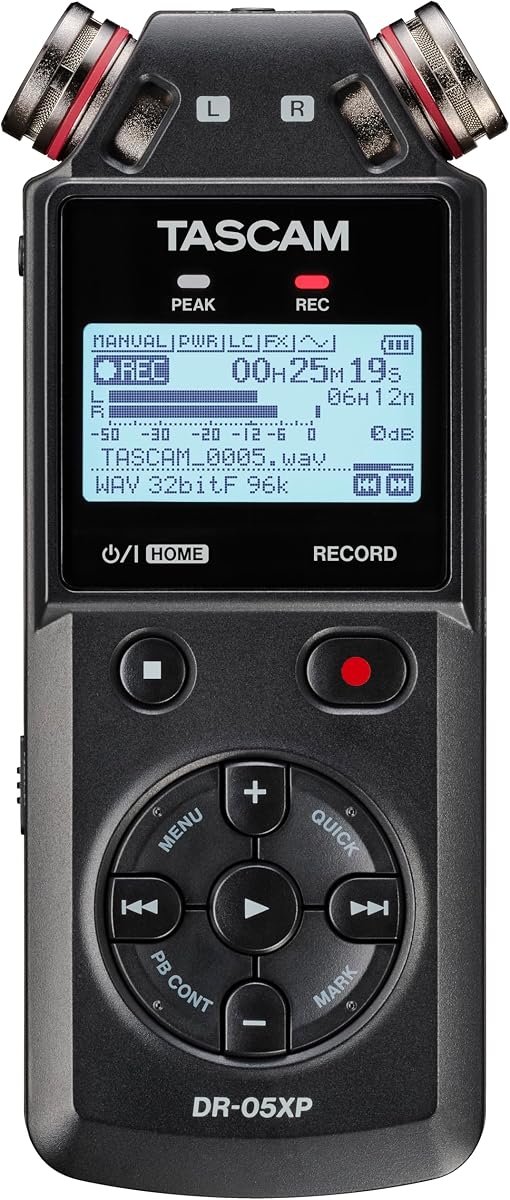
The TASCAM DR-05XP stands out as a top choice for journalists needing reliable portable audio capture. With a rating of 4.2 stars, it balances performance and affordability effectively for field use.
We may earn a commission when you buy through this link, at no additional cost to you.
Its 32-bit float recording capability ensures you never clip audio even in unpredictable loud environments. The omnidirectional condenser microphones handle sources up to 125dB SPL making it ideal for press conferences.
While it lacks XLR inputs for external mics, the built-in mics are sufficient for most voice recordings. Battery life reaches up to 17.5 hours which supports full day reporting without frequent recharging needs.
Journalists who prioritize audio fidelity and ease of use will find this model highly effective. Its USB-C interface allows direct transfer to laptops simplifying post production workflows significantly.
The 32-bit float format captures a wide dynamic range ensuring clear speech even when volume levels fluctuate unexpectedly during live events.
Direct USB-C connectivity eliminates the need for additional adapters allowing quick file transfers directly to your computer or editing suite.
We may earn a commission when you buy through this link, at no additional cost to you.
The Zoom H2 Essential offers premium features that cater to serious journalists requiring maximum flexibility in the field. Its 4.4 star rating reflects strong user satisfaction with its versatile recording capabilities.
We may earn a commission when you buy through this link, at no additional cost to you.
Equipped with three built-in microphones and nine selectable patterns it can capture everything from intimate interviews to wide ambient soundscapes. The 32-bit float recording ensures no distortion regardless of input levels.
Bluetooth timecode sync allows multiple units to work together seamlessly which is invaluable for multi-camera or multi-location shoots. However the price is higher than budget options and the menu system may take time to master.
This recorder is ideal for professionals who need robust audio solutions for complex projects. The accessibility features including audible navigation make it inclusive for all users regardless of vision capabilities.
Wireless Bluetooth synchronization ensures perfect alignment across multiple recorders which is crucial for synchronized audio in multi-device production setups.
Full audio accessibility in seven languages supports visually impaired journalists enabling independent and efficient operation without relying on visual menus.
We may earn a commission when you buy through this link, at no additional cost to you.
The EVISTR L357 is an excellent entry-level option for journalists needing straightforward recording without breaking the bank. With a 4.2 star rating it provides dependable performance for basic field assignments.
We may earn a commission when you buy through this link, at no additional cost to you.
Its 64GB storage allows thousands of hours of recordings reducing the need to manage files frequently. The voice activation feature automatically starts recording when sound is detected which saves battery and storage space.
While the audio quality is not as high as premium models it is sufficient for interviews and meetings. The plastic build is durable but may not withstand extreme rugged conditions as well as metal enclosures.
Journalists on a tight budget or needing backup recorders will find this device highly practical. Its ease of use and long battery life make it a reliable companion for daily note-taking tasks.
With 64GB capacity you can store nearly 4660 hours of recordings which means fewer file transfers and less downtime during long reporting trips.
Voice activation ensures the device only records when needed reducing unnecessary battery drain and extending usable time in the field.
We may earn a commission when you buy through this link, at no additional cost to you.
The Tonfarb Digital Recorder offers a balanced mix of capacity and audio quality suitable for general journalism needs. Its 4.0 star rating indicates solid performance though not exceptional compared to top competitors.
We may earn a commission when you buy through this link, at no additional cost to you.
It supports PCM recording up to 1536kbps delivering crystal clear audio playback. The large 1.44-inch screen makes navigation easy even in bright outdoor environments without needing to squint at tiny text.
Battery life is impressive at up to 48 hours of continuous use which is great for extended trips. However the lack of external microphone inputs limits flexibility when specialized mics are required for specific acoustics.
This device is best for reporters who prioritize storage and battery life over advanced features. Its password protection adds a layer of security for sensitive interview recordings stored directly on the unit.
Built-in password protection ensures sensitive recordings remain private preventing unauthorized access during transport or storage in public spaces.
PCM recording technology ensures professional quality sound that retains detail and nuance essential for accurate transcript and archiving purposes.
We may earn a commission when you buy through this link, at no additional cost to you.
The Zoom H5 is a powerhouse for journalists who need multi-track recording and professional connectivity options. Its 4.7 star rating highlights its reliability and robust build quality among industry users.
We may earn a commission when you buy through this link, at no additional cost to you.
The interchangeable capsule system allows you to swap microphones for different acoustic environments making it incredibly versatile. It includes XLR/TRS inputs so you can connect external microphones or line level audio sources easily.
While it runs on AA batteries it may need more frequent changes compared to modern rechargeable units. The size is larger than pocket recorders which might make it less discreet for covert reporting situations.
This recorder suits journalists producing audio for video or podcasts requiring high fidelity. Its multichannel USB interface integrates seamlessly with computers making it a great choice for on-location mixing workflows.
Swapping capsules lets you adapt quickly to different soundscapes without needing multiple devices which saves weight and cost in the long run.
XLR and TRS combo inputs provide the standard connectors found on professional audio gear allowing for seamless integration with existing equipment.
We may earn a commission when you buy through this link, at no additional cost to you.
The Tascam DR-40 is a classic model that has served journalists well for years. With a 4.6 star rating it continues to be a dependable option for basic to intermediate recording tasks.
We may earn a commission when you buy through this link, at no additional cost to you.
Its four-track recording capability allows for layered audio work which is useful for multimedia projects. The compact silver design fits easily into a pocket or small bag without taking up much space.
It lacks modern features like USB-C connectivity which might be a drawback for users with newer laptops. However the simplicity of the interface ensures quick operation even when you are stressed or in a rush.
This device is suitable for journalists who prefer straightforward functionality over complex tech. Its durable build and proven track record make it a safe bet for those starting out in audio reporting.
Known for robust performance the DR-40 offers consistent audio capture that has been trusted by professionals for many years across various industries.
Simple menu navigation allows you to start recording quickly without getting lost in complex settings which is vital during breaking news situations.
We may earn a commission when you buy through this link, at no additional cost to you.
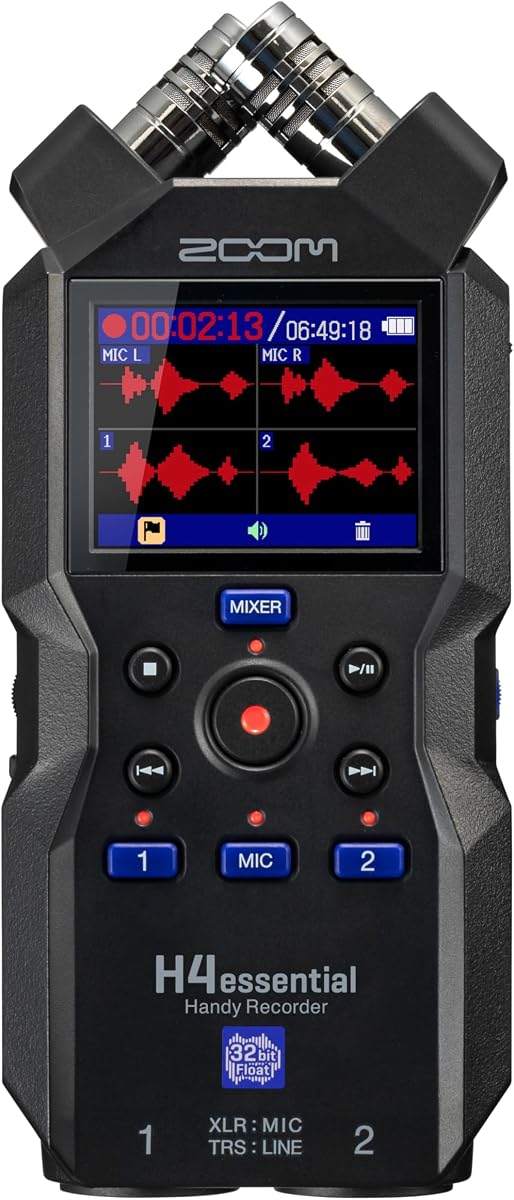
The Zoom H4 Essential offers accessible features like spoken menus making it easier to use for everyone. A 4.4 star rating indicates users appreciate its clarity and ease of use in the field.
We may earn a commission when you buy through this link, at no additional cost to you.
It features a 4-track recorder that helps capture detailed audio for interviews and podcasts. The USB-C connection allows for streaming and recording directly to devices which supports modern mobile workflows.
Battery life is average so bringing spares is recommended for long days. The unit is slightly heavier than others which might cause fatigue if held for extended periods during live recording sessions.
This recorder is great for journalists who value accessibility and modern connectivity. Its spoken guidance ensures you never miss a step when adjusting settings in low-light conditions quickly.
Spoken menu guidance makes operation possible without visual confirmation which is a major benefit for visually impaired reporters or those working in dark environments.
USB-C streaming enables direct connection to smartphones and tablets allowing for live streaming and remote recording capabilities without additional hardware.
We may earn a commission when you buy through this link, at no additional cost to you.
The Pocket AI Recorder introduces artificial intelligence into the recording process helping journalists save time on transcription. Its 4.6 star rating reflects strong satisfaction with its smart organizational features.
We may earn a commission when you buy through this link, at no additional cost to you.
It automatically turns recordings into clear summaries and action items which speeds up your workflow significantly. MagSafe compatibility allows hands-free attachment to phones ensuring you never forget to start recording.
Battery life lasts up to four days which is excellent for travel. However some advanced features require a subscription which adds to the overall cost beyond the initial hardware purchase.
Journalists who need to process large volumes of interviews daily will find this device revolutionary. It acts as a personal assistant turning audio into actionable text efficiently without manual typing.
Smart AI insights analyze meetings and conversations to extract key points automatically saving hours of manual review and note taking.
MagSafe compatibility lets you stick the device to your phone for secure hands-free recording which is convenient during multitasking scenarios.
We may earn a commission when you buy through this link, at no additional cost to you.
The Zoom H1 Essential is designed for simplicity and portability making it great for quick field notes. A 4.0 star rating suggests it meets expectations for casual or secondary recording tasks effectively.
We may earn a commission when you buy through this link, at no additional cost to you.
It captures clear stereo audio suitable for videos and tutorials. The USB-C port allows it to function as a high-quality microphone for livestreams or remote calls on your computer.
Its compact size fits easily into a pocket but lacks external inputs for additional microphones. This limits its utility for more complex setups where external mics are required for clarity.
This recorder is best for journalists needing a lightweight backup or quick interview tool. It is affordable and easy to carry ensuring you always have a dedicated recorder on hand.
The tiny footprint ensures you can carry it everywhere without bulk making it ideal for spontaneous interviews or capturing ambient sounds quickly.
USB-C streaming turns the recorder into a live microphone enabling high quality audio capture for online broadcasts without needing extra gear.
We may earn a commission when you buy through this link, at no additional cost to you.
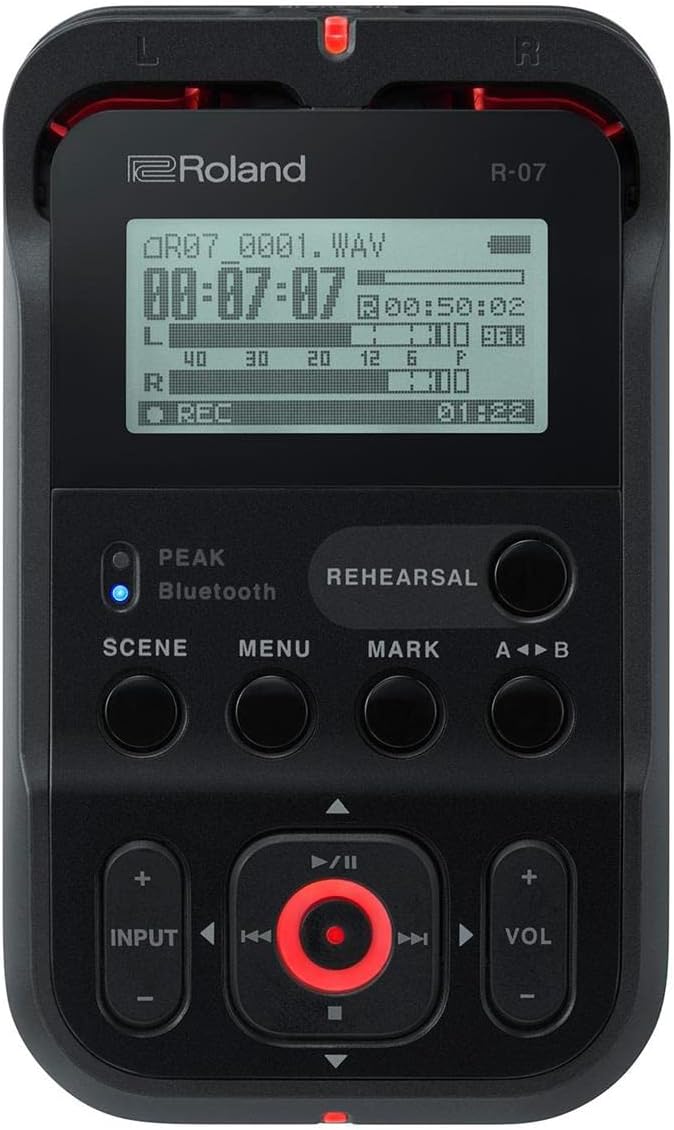
The Roland R-07 offers high-resolution audio with convenient Bluetooth controls for remote operation. A 4.2 star rating indicates it is well regarded by those who appreciate detailed sound capture.
We may earn a commission when you buy through this link, at no additional cost to you.
Integrated stereo microphones provide excellent recording quality for both music and speech. The built-in speaker allows convenient playback anywhere which helps quickly check recordings on the spot.
Bluetooth control lets you manage recording from a smartphone adding flexibility to setup. However the price is higher than similar budget options and the menus can take time to navigate fully.
Journalists who prioritize sound resolution and connectivity will enjoy this device. It combines professional features with a compact body suitable for discreet reporting situations in public spaces.
Bluetooth low latency wireless monitoring allows you to listen via headphones connected to a mobile device for convenient remote checking.
The built-in speaker enables quick playback without headphones helping you verify audio levels during interviews or meetings instantly.
We may earn a commission when you buy through this link, at no additional cost to you.
Choosing the right handheld recorder involves balancing audio quality, storage, and usability. Here are the key factors journalists should evaluate.
High-quality audio ensures accurate transcriptions and professional reports. Look for devices supporting high bitrates and sampling rates such as 24-bit or 32-bit float formats.
Prioritize recorders offering high-fidelity formats to capture clear speech and ambient details essential for accurate journalism.
Microphone type affects capture range and directionality. Omnidirectional mics capture ambient sound while cardioid focus on specific sources.
Choose a microphone setup matching your typical recording environment to ensure optimal sound isolation and clarity.
Storage space determines how long you can record before offloading files. High capacity or expandable SD card support is crucial for long reporting days.
Ensure the device offers sufficient memory or expandability to avoid interruptions during continuous recording sessions.
Long battery life prevents interruptions during critical reporting moments. Look for recorders offering at least 10 hours of continuous recording on a single charge.
Opt for models with extended battery performance to maintain workflow efficiency throughout the day.
Field work exposes equipment to rough handling. Select devices with robust builds resistant to shocks and environmental factors.
Choose durable recorders with rugged designs to withstand demanding field conditions and protect your recordings.
User-friendly interfaces reduce setup time. Look for intuitive controls and clear displays or spoken guides for quick operation.
Prioritize simplicity to ensure you can focus on reporting rather than troubleshooting device settings.
Modern recorders should offer versatile connectivity like USB-C for quick file transfers and direct computer integration.
Select models with compatible ports for seamless integration into your digital workflow and editing tools.
Features like voice activation, transcription support, or Bluetooth control can enhance workflow efficiency significantly.
Evaluate optional smart features to find recorders that reduce manual effort and improve productivity.
Always test your recorder before important interviews to ensure levels and memory are correct. Check battery levels and ensure the device is fully charged for optimal performance during critical moments.
Keep the microphone clean and free from debris to maintain audio quality. Wipe the device gently with a dry cloth after use to remove dust and moisture.
Regularly back up recordings to cloud storage or external hard drives to prevent data loss. Organize files systematically by date and topic for easier retrieval during post production.
The TASCAM DR-05XP is our top pick due to its 32-bit float recording and USB-C connectivity. It balances audio quality and portability effectively for field use.
Most built-in microphones on quality handheld recorders are sufficient for standard interviews. External mics are useful only for capturing sound in noisy environments or distant sources.
At least 32GB is recommended to store hours of high-resolution audio. Devices supporting SD card expansion are ideal for unlimited storage capacity needs.
Some models offer Bluetooth or USB connectivity to stream audio directly to smartphones. This allows real-time monitoring and file transfer without cables.
Use a soft dry cloth to wipe the exterior gently. Avoid using liquids or harsh chemicals near the microphone grilles or ports to prevent damage.
Aim for at least 10 hours of continuous recording time. Long-life models like the Tonfarb offer extended periods suitable for full day fieldwork.
The TASCAM DR-05XP, Zoom H2 Essential, and EVISTR L357 represent the top choices for different needs and budgets. Each offers unique strengths in audio fidelity, storage, and usability.
Prioritize audio quality and battery life to ensure you never miss critical moments in the field. Consider how connectivity options align with your workflow for seamless editing.
Always check current availability and specifications before purchasing as models and features evolve quickly. Investing in the right recorder pays off in reliable, clear documentation of your stories.