
HGLRC Mini M100 GPS Module
4.6Editor score
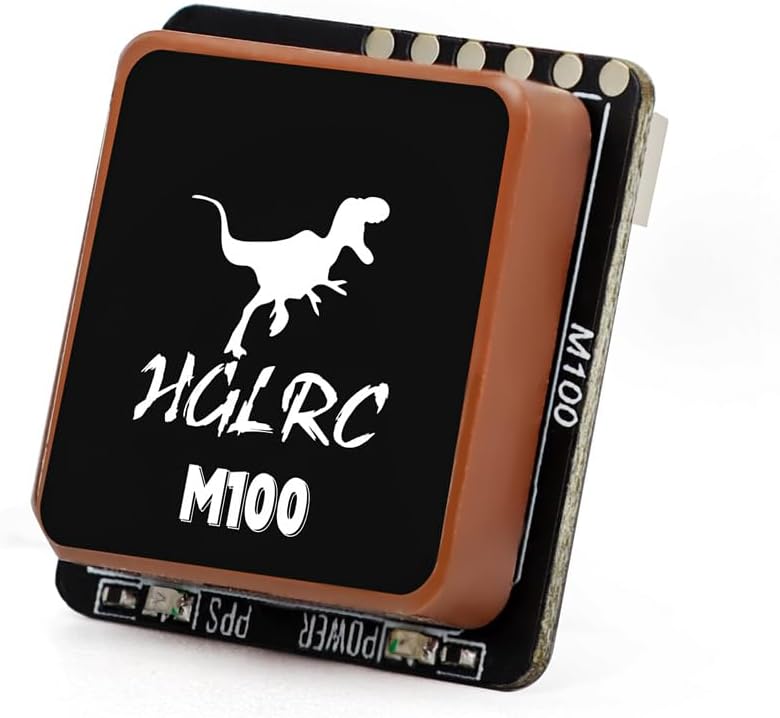
3.3V to 5V input
Small 21mm size
Onboard power indicators
This guide compares the top 10 GPS Modules for Drones based on accuracy, speed, and compatibility to help pilots choose the right unit for their flight
GPS modules are essential for modern drone operations, providing critical location data for navigation and safety features. A good module ensures stable positioning, fast satellite locks, and reliable return-to-home functionality across various flight environments.
We evaluated ten leading models focusing on chipset performance, antenna quality, and flight controller compatibility. Our analysis highlights units that deliver consistent accuracy while maintaining low power consumption and easy integration for FPV and fixed-wing aircraft.
Each pick showcases specific strengths like multi-GNSS support or compact designs. Prices change frequently, so verify current listings before purchasing. This list helps you match the right module to your specific build requirements and budget constraints.
4.6Editor score
4.8Editor score

4.9Editor score
This table compares key specifications across all ten units to help you identify the best match for your drone build needs quickly.


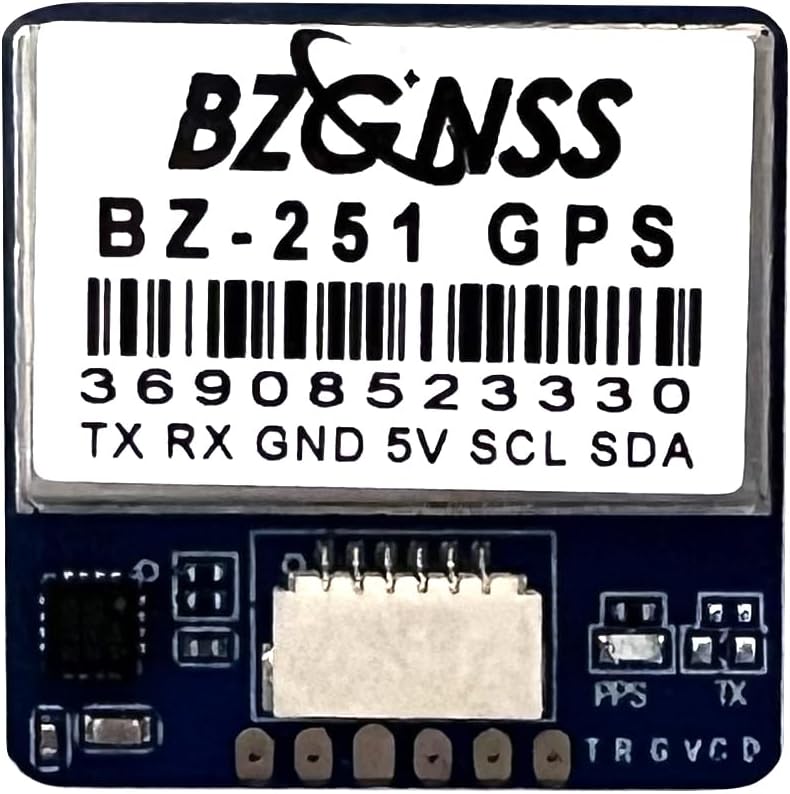


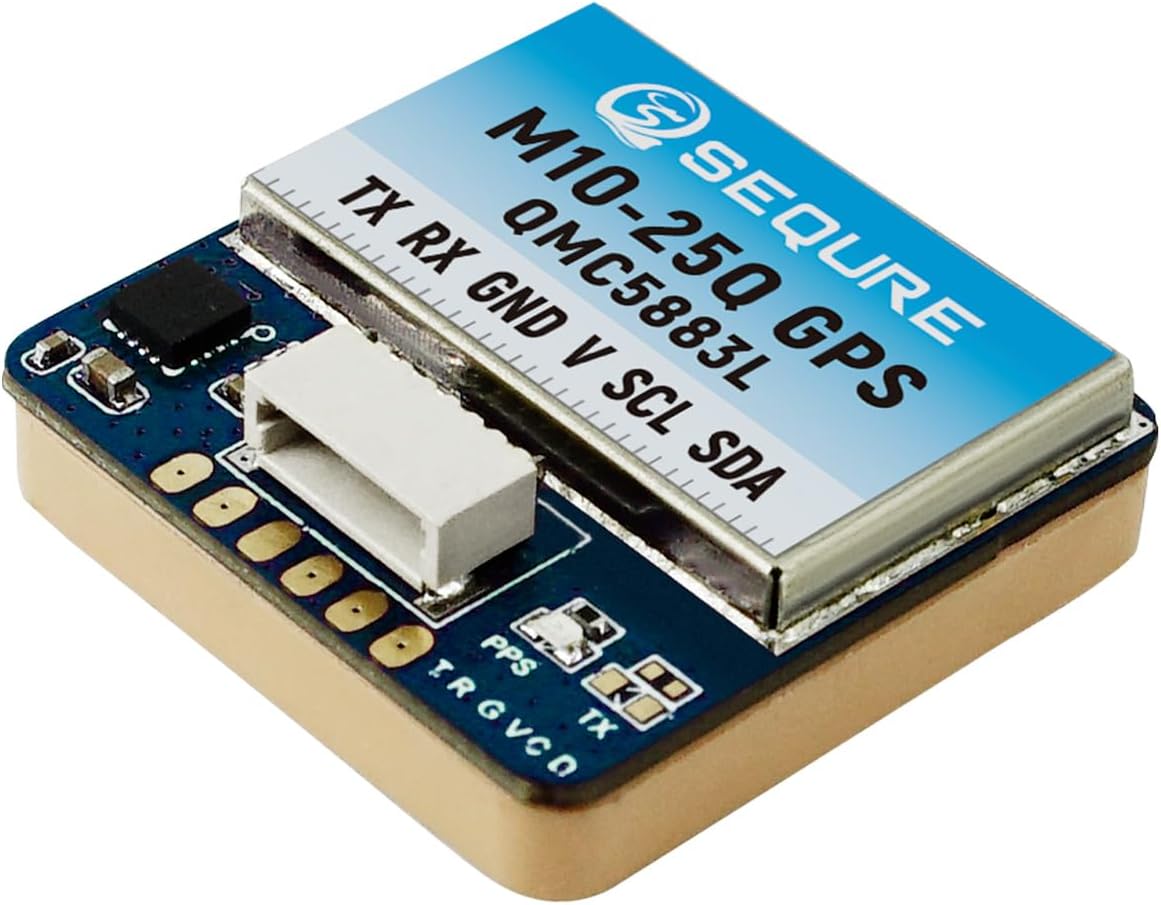
The SEQURE M10-25Q offers top-tier performance for FPV drones with its upgraded 10th generation chip. It supports multiple GNSS systems for precise navigation and returns a 4.8 rating for reliability and speed.
We may earn a commission when you buy through this link, at no additional cost to you.
Its dual protocol support for NMEA and UBX makes it versatile across various flight controllers. The ceramic antenna ensures strong signal lock even in challenging environments while maintaining low power draw.
While it requires some setup time for configuration, the benefits of fast positioning outweigh this minor effort. The included mounting options simplify installation without needing complex soldering for many users.
Pilots prioritizing accuracy and speed should choose this module. It excels in return-to-home scenarios and autonomous flight modes where precise location data is critical for safety.
The 10th generation chip reduces acquisition time significantly allowing you to take off faster without waiting for satellite locks.
The ceramic design protects against physical damage while ensuring consistent signal strength during high-speed racing maneuvers.
We may earn a commission when you buy through this link, at no additional cost to you.
This compact module delivers solid performance for smaller FPV builds at an entry-friendly price point. With a 4.6 rating it meets essential needs for hobbyists without complex requirements.
We may earn a commission when you buy through this link, at no additional cost to you.
Its power input range accepts 3.3V to 5V DC making it easy to integrate into diverse power systems. The onboard lights clearly show status at a glance during setup flights.
While it lacks advanced multi-protocol features, it handles standard navigation tasks effectively. The small size ensures minimal weight impact on racing drones where every gram counts.
New builders looking for a reliable starter option will find this module sufficient. It provides accurate positioning without draining your battery reserves during long flights.
Measuring small enough for 2 to 7 inch drones it fits easily without obstructing other components like video transmitters.
Supporting multiple voltage inputs means you can connect it directly to various BECs or flight controller outputs easily.
We may earn a commission when you buy through this link, at no additional cost to you.
The JeeFly M8N stands out with high-sensitivity tracking ideal for professional or complex autonomous projects. Its 4.9 rating reflects superior reliability for mission-critical drone applications.
We may earn a commission when you buy through this link, at no additional cost to you.
Supporting GPS GLONASS Galileo and BeiDou ensures global coverage even in areas with signal interference. The built-in compass simplifies wiring by removing the need for separate sensors.
While it requires specific Pixhawk or PX4 controllers it offers unmatched accuracy for industrial uses. The included mounting base makes installation secure and protected against vibrations.
Experts needing consistent positioning data should invest in this module. The accuracy and stability justify the higher price for long-term operational reliability.
Tracking signals from four major satellite systems ensures you maintain lock even when some constellations are blocked.
Having the compass built-in reduces clutter and potential failure points in your drone electronics setup.
We may earn a commission when you buy through this link, at no additional cost to you.
This module features an expanded 120 channel capacity for robust tracking across varied landscapes. With a 4.6 rating it balances performance and value well for fixed-wing builds.
We may earn a commission when you buy through this link, at no additional cost to you.
The 10th generation chip ensures rapid satellite acquisition which is crucial for autonomous flight planning. Integrated compass data provides direct heading input without extra wiring steps.
While larger than mini variants it fits well in fixed-wing platforms where space is less critical. Manufacturer support ensures assistance if integration issues arise.
Fixed-wing pilots needing strong signal stability will appreciate this unit. The channel capacity handles interference better than older models on the market.
Receiving 120 channels allows simultaneous tracking of more satellites improving accuracy in crowded signal environments.
Direct access to the factory team ensures quick help for technical questions or compatibility issues.
We may earn a commission when you buy through this link, at no additional cost to you.
Measuring only 21mm this unit fits tight spaces while retaining full 10th generation chip performance. It achieves a 4.5 rating for balanced functionality in fixed-wing and FPV builds.
We may earn a commission when you buy through this link, at no additional cost to you.
Supporting GPS Galileo and BDS ensures fast positioning in almost any geographic area. The ceramic antenna provides stable signals without external amplification needs.
While it lacks extra status lights its small footprint benefits weight-sensitive builds. The low weight minimizes impact on flight times compared to heavier units.
Pilots with limited space will find this model ideal. It delivers reliable accuracy without adding bulk to your aircraft structure.
At just 7.73 grams it adds minimal weight preserving flight duration for electric aircraft.
The ceramic antenna ensures consistent reception even when placed near conductive materials on the frame.
We may earn a commission when you buy through this link, at no additional cost to you.
This module prioritizes safety with critical return-to-home capabilities for rescue scenarios. A perfect 5.0 rating reflects its reliability when aircraft safety depends on precise location data.
We may earn a commission when you buy through this link, at no additional cost to you.
The oil-sprayed ceramic antenna resists oxidation and scratching ensuring long-term signal stability. Supporting both NMEA and UBX protocols increases compatibility with modern flight controllers.
While specialized for rescue features it handles standard navigation tasks effectively too. The 10Hz refresh rate keeps data current during rapid maneuvers.
Safety-conscious pilots should consider this unit for critical missions. Its focus on fail-safe functions reduces risk during automated flights.
Built-in logic triggers return-to-home automatically when signal is lost saving your aircraft from permanent loss.
The special coating protects the antenna from environmental wear extending its operational life.
We may earn a commission when you buy through this link, at no additional cost to you.
Designed specifically for Pixhawk controllers this module offers 1.5m accuracy in ideal conditions. Its 4.2 rating highlights solid performance within its intended ecosystem.
We may earn a commission when you buy through this link, at no additional cost to you.
Flash storage saves configuration settings so you do not lose setup after power cycles. The external compass provides clear heading data without complex calibration steps.
It is less versatile for other controllers but excels in dedicated Pixhawk builds. The low power consumption helps preserve battery life during ground station sessions.
Pixhawk users seeking a direct replacement should use this model. It simplifies installation by including a dedicated holder.
Settings saved on board remain intact across reboots reducing setup time for each flight.
Optimized for 2.4.8 models ensures seamless integration with supported firmware versions.
We may earn a commission when you buy through this link, at no additional cost to you.
This module supports long-range flights with dual protocol compatibility for F405 and F722 controllers. It earns a 4.4 rating for consistent performance across racing and distance builds.
We may earn a commission when you buy through this link, at no additional cost to you.
A built-in battery ensures settings remain saved even during disconnected periods preventing data loss. The compact design allows mounting near antennas without interfering with signal reception.
While primarily optimized for specific controllers it works well with supported setups. Quick satellite lock minimizes pre-flight wait times for pilots.
Racers needing long-range reliability should check this unit. It balances speed with essential navigation features.
The included battery preserves memory settings so you do not need to reconfigure after each charge.
Compatibility with popular controllers ensures easy integration into existing racing builds.
We may earn a commission when you buy through this link, at no additional cost to you.
Powered by an M9 chipset this module supports up to 32 satellites for precise positioning. It achieves a 4.5 rating for reliable performance in urban environments.
We may earn a commission when you buy through this link, at no additional cost to you.
The 20x20mm size fits perfectly on FPV drones where space is limited. An IST8310 compass provides accurate heading data for waypoint navigation.
While it tracks fewer satellites than newer 10th gen units it maintains solid accuracy. The LED feedback clearly shows when a 3D fix is acquired.
FPV builders needing a tiny module will find this suitable. It offers strong GNSS support without adding bulk.
Tracking more satellites improves accuracy in urban canyons where satellite visibility is reduced.
At 20mm square it leaves room for essential components like flight controllers on small frames.
We may earn a commission when you buy through this link, at no additional cost to you.
This unit offers high-precision navigation for robotics and drones with a 10Hz update rate. It earns a 4.6 rating for consistent data transmission during flight.
We may earn a commission when you buy through this link, at no additional cost to you.
Built-in flash memory saves settings to avoid reconfiguration after power cycles. The UART interface simplifies connections to flight controllers without needing extra adapters.
While it requires configuration for best results it delivers reliable tracking for autonomous projects. The high-gain antenna ensures strong signal in dense urban areas.
Roboticists and drone developers should consider this model. It balances high performance with essential integration features.
The UART connection reduces wiring complexity making installation faster for custom builds.
User settings remain stored on the module ensuring consistent operation across reboots.
We may earn a commission when you buy through this link, at no additional cost to you.
Selecting the right module requires evaluating compatibility, signal quality, and feature sets that match your flight goals.
Modern modules use 10th generation chips like M10 for faster satellite acquisition. These units typically offer better sensitivity in challenging environments compared to older M8N or M9 chips.
Prioritize units with the latest chipset for improved reliability and faster locks.
Look for support across GPS, GLONASS, Galileo, and BeiDou constellations. This coverage increases the number of available satellites, which is vital for accuracy in urban areas.
Choose modules that support at least three systems to ensure consistent signal availability.
Check whether the module works with your specific controller such as Pixhawk, Betaflight, or INAV. Some units are optimized for certain firmware protocols like UBX or NMEA.
Verify protocol support before purchasing to avoid integration issues or firmware updates.
Ceramic antennas are generally more durable and resistant to interference than standard plastic ones. Oil-sprayed designs add extra protection against oxidation and physical damage.
Select a unit with a ceramic antenna for better signal stability and longevity.
Built-in compasses like QMC5883L or IST8310 simplify wiring by removing the need for external magnetic sensors. This integration reduces clutter on the drone frame.
Opt for integrated compass models to streamline your electronics layout.
Racing drones require ultra-compact modules to minimize impact on flight time. Fixed-wing aircraft can accommodate larger units if they offer better signal reception.
Balance your size constraints with the performance needs of your specific drone type.
Efficient modules consume less battery power which is crucial for long-range flights. Check voltage input ranges to ensure they match your power system.
Choose low-power options to extend your flight endurance without extra battery weight.
Higher update rates like 10Hz provide more frequent location data for faster response in autonomous flight modes. This is essential for precise navigation and failsafe triggers.
Ensure the module supports at least 10Hz for optimal performance during dynamic maneuvers.
Mount the module away from motors and vibration sources to prevent signal interference. Use non-conductive materials to secure the unit securely to the frame.
Test satellite acquisition outdoors before flight to ensure a solid lock. Allow a few minutes for the module to update data after powering on.
Protect the ceramic antenna from sharp impacts and exposure to harsh chemicals. Regularly check connections to ensure stable data transmission during flight.
GPS refers specifically to the American satellite system while GNSS includes all global systems like GLONASS, Galileo, and BeiDou. A GNSS module offers better accuracy by using signals from multiple satellites.
Not all drones require GPS but it is essential for features like return-to-home and waypoint navigation. Racing drones might skip it for speed while long-range aircraft need it for safety.
This often happens when the unit is indoors or near metal interference. Ensure it is outdoors with clear sky view and check if the module has a fresh cold start.
Compatibility depends on the protocol like NMEA or UBX. Verify your flight controller supports the specific protocol before purchasing to ensure seamless integration.
Mount it high on the drone away from metal or conductive parts. Keep it clear of the propellers to avoid signal blockage during flight maneuvers.
Most units have LED indicators showing lock status. A solid light usually means locked while blinking indicates searching. Check your flight software for satellite counts.
The SEQURE M10-25Q leads in versatility while the HGLRC Mini M100 offers the best budget value. The JeeFly M8N remains the top choice for advanced autonomous needs.
Prioritize chipset generation and GNSS support to ensure accurate positioning across diverse environments. A compatible module enhances safety and flight performance significantly.
Always verify current pricing and stock before purchasing as availability changes frequently. Select the unit that matches your drone's specific structural and control requirements.