
Little LogBook
3.5Editor score
No monthly fees
GPS accuracy
Secure device
Discover the top 10 electronic logbook options for truck drivers and pilots. Compare features, compliance, and ease of use to find the best fit for your needs.
Electronic logbooks have revolutionized how professionals track their time and mileage. Whether you are a commercial driver or a pilot, accurate records are essential for compliance and efficiency.
We have compared ten leading electronic logbook solutions based on their features, compliance standards, and user feedback. This guide helps you navigate the options available in the market today.
Each pick highlights specific strengths and ideal use cases for different types of users. Keep in mind that prices and availability may change over time as products evolve.
3.5Editor score

4.4Editor score

This table provides a side-by-side overview of key specifications for each electronic logbook option to help you make an informed decision quickly.



The Rocketbook Fusion is a unique take on the electronic logbook concept that blends paper with digital tools. It scores a strong 4.4 rating from users who appreciate its hybrid approach to organization.
We may earn a commission when you buy through this link, at no additional cost to you.
Its standout quality lies in the ability to write naturally on premium paper while instantly digitizing your entries via the app. You can organize your plans in Google Drive or Dropbox with a simple scan.
The trade-off is that it requires a manual scanning step rather than fully automated logging, which may not suit drivers needing automatic mile tracking. However, for planners, this flexibility is often preferred.
This product is ideal for individuals who want a sustainable, reusable planner with digital backup capabilities. We recommend it for anyone seeking a paper-like experience with modern organization.
Replaces traditional paper planners to reduce waste while maintaining a familiar writing experience.
Scan and upload plans directly to cloud platforms for access from any device.
We may earn a commission when you buy through this link, at no additional cost to you.
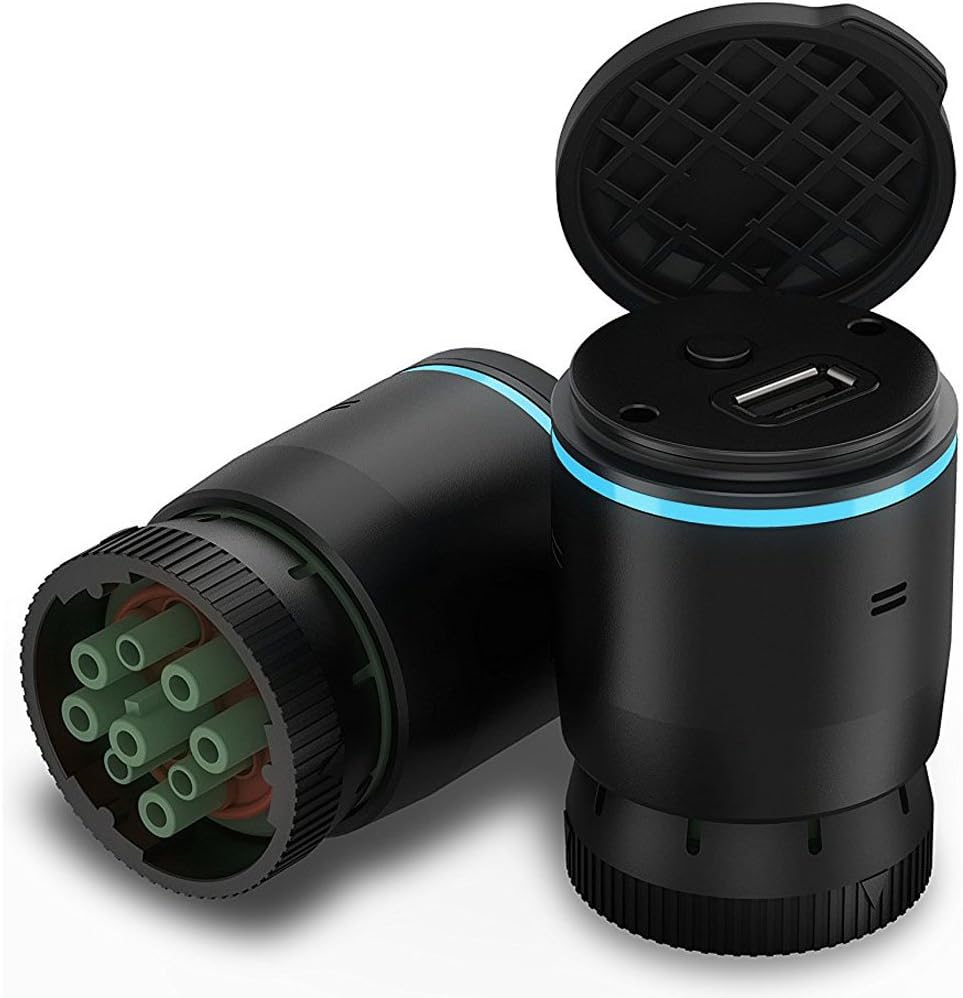
Little LogBook offers an automated GPS trip logging solution that eliminates the hassle of manual entries. It holds a 3.5 rating due to its cost-effective approach to electronic record keeping.
We may earn a commission when you buy through this link, at no additional cost to you.
The key strength is the absence of monthly or annual fees, making it a true one-time purchase. The highly sensitive GPS chip ensures your trip logs are accurate and world-class in quality.
A significant limitation is that the software currently only works on Microsoft Windows, leaving Mac users without support. This restricts its accessibility for those invested in Apple ecosystems.
If you are a Windows user looking for a low-cost automatic mileage logger, this device is a solid choice. It provides peace of mind regarding compliance without recurring costs.
Enjoy automated logging without being tied to monthly or annual subscription fees.
Highly sensitive SIRF GPS chip provides precise world-class trip logging data.
We may earn a commission when you buy through this link, at no additional cost to you.
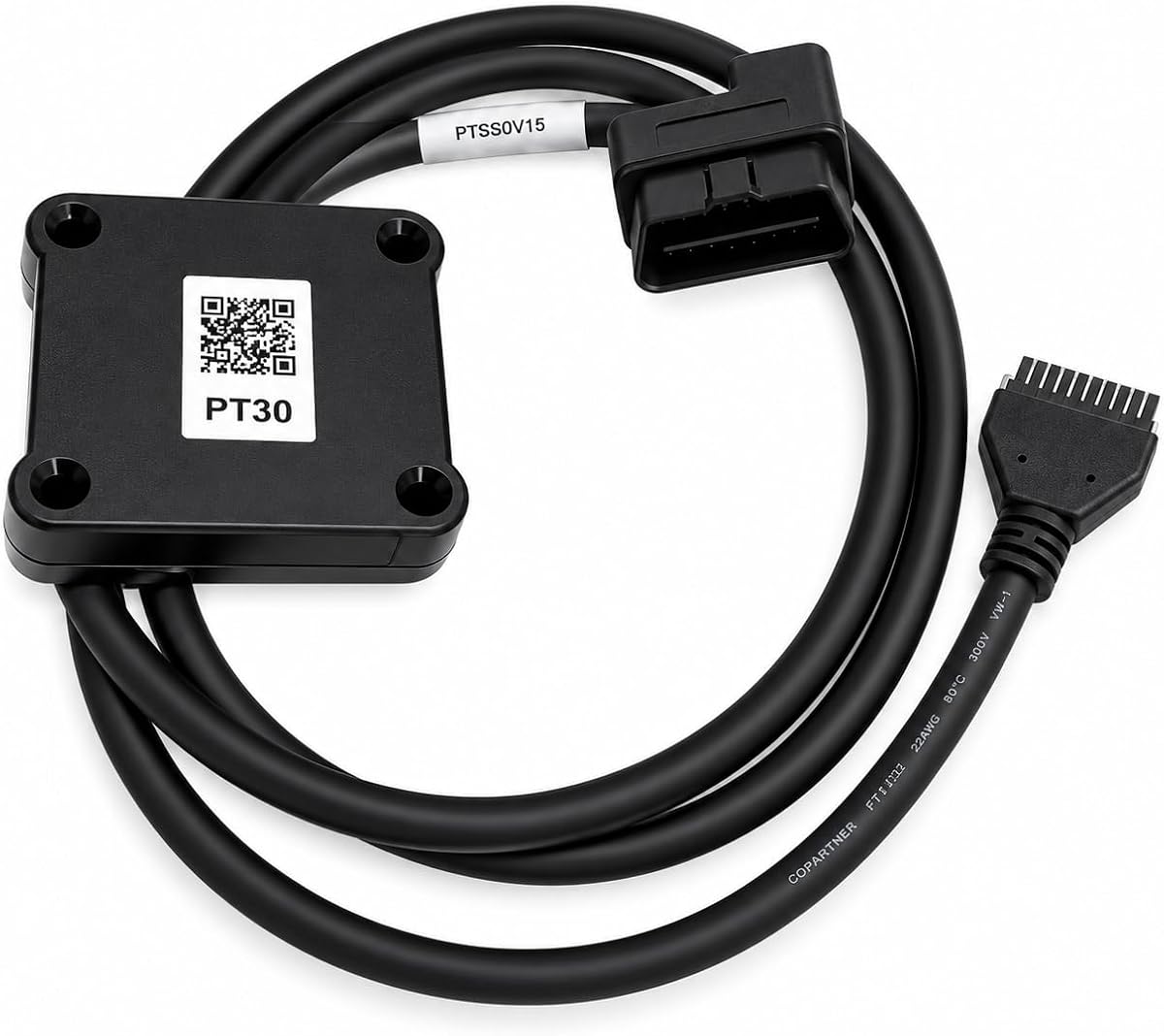
The PT30 Device is built specifically for trucking fleets and commercial drivers requiring robust ELD solutions. It serves as a comprehensive logbook for Hours of Service recording.
We may earn a commission when you buy through this link, at no additional cost to you.
Its main strength is the tailored support for owner-operators and fleet managers who need reliable electronic logging. The package includes the necessary OBD-II cable for medium and light duty applications.
The trade-off is that you must verify compatibility with your specific truck model before ordering. This extra step ensures a smooth connection but adds a layer of preparation to the purchase process.
Commercial drivers seeking a dedicated fleet tracking logbook will find this device highly effective. We recommend verifying your diagnostic port configuration to ensure seamless integration.
Designed specifically for commercial trucking companies and owner-operators.
Includes the necessary OBD-II cable for immediate setup.
We may earn a commission when you buy through this link, at no additional cost to you.
Garmin eLog is a compliant ELD designed for drivers who want a simple one-time purchase without recurring fees. It maintains a 3.9 rating among users looking for reliable compliance.
We may earn a commission when you buy through this link, at no additional cost to you.
Its standout feature is the lack of subscription costs, which is rare for certified ELDs. The device supports 9-pin and 6-pin diagnostic ports to ensure broad compatibility with commercial vehicles.
One limitation is that it does not work with vehicles using the OBD-II protocol, which may require an adapter for some trucks. Additionally, specific engines may need a separate cable not included in the box.
Drivers seeking a cost-effective compliance solution without monthly charges should consider this device. Ensure your truck's diagnostic ports match the supported types before buying.
Meets FMCSA ELD mandate requirements for Hours of Service recording.
Simple one-time purchase with no ongoing subscription fees.
We may earn a commission when you buy through this link, at no additional cost to you.
The PT40 HOS Logbook Device is an upgraded version designed for heavy duty vehicles with certified compliance. It aims to simplify the setup process for truck drivers.
We may earn a commission when you buy through this link, at no additional cost to you.
Its key strength is the inclusion of a heavy-duty OBDII cable, ensuring you have what is needed for installation right out of the box. The device is pre-programmed to work immediately.
The trade-off is that it is tailored for specific heavy duty applications, which might not fit every vehicle type perfectly. Users should confirm their needs match the intended vehicle class.
For heavy duty drivers needing a certified logbook without extra cable purchases, this is a practical option. The ease of installation saves time on the road.
Heavy-Duty-OBDII Cable included to ensure complete readiness.
DOT and FMCSA certified for regulatory compliance.
We may earn a commission when you buy through this link, at no additional cost to you.
The PT 30 ELD offers a complete package including a heavy-duty 16-pin cable for commercial trucks. It combines electronic logging with GPS fleet tracking capabilities.
We may earn a commission when you buy through this link, at no additional cost to you.
Its primary advantage is the straightforward installation process connecting the included cable to the diagnostic port easily. The integration of GPS tracking adds value for fleet monitoring.
However, compatibility is specific to 16-pin applications, so verifying your truck model is essential. This limitation ensures proper function but requires careful checking before purchase.
Truck drivers needing a full ELD solution with GPS tracking in one package will benefit from this device. Verify your diagnostic port type to ensure seamless operation.
Includes ELD device and heavy-duty cable in one package.
Built-in GPS fleet tracking for comprehensive oversight.
We may earn a commission when you buy through this link, at no additional cost to you.
My20 ELD is a highly affordable compliant solution that meets federal Hours-of-Service logging requirements. It holds a 3.4 rating among those looking for accessible ELDs.
We may earn a commission when you buy through this link, at no additional cost to you.
The key strength is its competitive pricing on hardware combined with a plug-and-play installation that connects quickly to standard diagnostic ports. It also offers excellent support for new users.
A trade-off is the requirement for a subscription after purchase, which adds ongoing costs. Additionally, it is not Canadian certified, limiting its use for cross-border drivers.
For owner-operators or small fleets seeking an affordable compliant ELD with good support, this is a strong choice. Review the subscription details before ordering to fit your budget.
One of the most affordable ELDs on the market.
Real support from trucking-industry veterans.
We may earn a commission when you buy through this link, at no additional cost to you.
This Truck Driver Daily Log Book provides a dependable paper alternative to electronic systems. It maintains a strong 4.2 rating due to its high quality and ease of use.
We may earn a commission when you buy through this link, at no additional cost to you.
Its standout quality is the 2-ply carbonless design that creates a clean duplicate copy with every entry. This keeps records organized and compliant without needing extra carbon sheets.
The trade-off is that it requires manual writing and storage of physical copies, which lacks digital backups. However, for drivers preferring paper, the compact size fits well in glove compartments.
Individual drivers needing a reliable paper logbook should consider this option for daily recordkeeping. The thoughtful design ensures durability and ease of storage on the road.
2-Ply Carbonless Copy creates an instant duplicate automatically.
Compact size fits easily in glove compartments and clipboards.
We may earn a commission when you buy through this link, at no additional cost to you.
The Jeppesen Professional Pilot Logbook is designed for pilots who value professional organization. It holds an exceptional 4.8 rating among aviation professionals.
We may earn a commission when you buy through this link, at no additional cost to you.
Its standout quality is the professional look and quality construction that ensures durability over long careers. The dark brown cover adds a sophisticated touch to flight records.
The trade-off is that it is a paper-based solution without digital automation or automatic syncing. This means pilots must manually maintain their flight records as usual.
Pilots seeking a high-quality traditional logbook with a professional appearance will find this ideal. It is a reliable companion for tracking flight hours with style.
Professional look and quality construction for aviation professionals.
High-quality materials ensure the logbook lasts over time.
We may earn a commission when you buy through this link, at no additional cost to you.
TEMEDA PT30 is an ELD option that emphasizes large capacity storage for offline operations. It carries a strong 4.5 rating due to its flexibility and robust connectivity.
We may earn a commission when you buy through this link, at no additional cost to you.
Its key strength is the integrated engine diagnostics and Bluetooth Low Energy interface that works with compatible apps easily. The large storage ensures you never lose critical compliance data offline.
The trade-off involves ensuring you have the right cable for your specific truck model during setup. Customizable behavior is a benefit but requires understanding your specific requirements.
Drivers needing reliable offline storage and flexible connectivity should consider this device. The comprehensive data storage keeps your records secure even without immediate internet access.
Large capacity storage for offline operations ensures data safety.
Works with any compatible ELD HOS app via Bluetooth.
We may earn a commission when you buy through this link, at no additional cost to you.
Choosing the right electronic logbook depends on your specific industry needs and budget constraints. This guide breaks down the key factors to help you decide.
For commercial drivers, ensuring your electronic logbook meets FMCSA or DOT regulations is non-negotiable. Look for devices that are certified and up-to-date with current federal mandates to avoid fines. Pilots may have different requirements focused on FAA standards for flight hour tracking. Verify certification claims directly with the manufacturer or official regulatory websites.
Always verify that the logbook you choose is fully compliant with your local transportation regulations before purchasing to ensure legal operation.
Some electronic logbooks require monthly or annual subscription fees for software updates and server storage, while others offer a one-time purchase model. Consider your long-term budget and whether you prefer lower upfront costs or lower recurring expenses. Always review the total cost of ownership over several years to make an informed financial decision. Hidden fees can add up quickly over the lifespan of your device.
Calculate the total cost of ownership including any required subscriptions before finalizing your purchase decision.
Modern electronic logbooks typically use Bluetooth or cellular connections to sync data with your smartphone or cloud services. Ensure the connectivity method matches your workflow and the availability of cellular coverage in your operating areas. Bluetooth Low Energy (BLE) is energy-efficient and widely supported by mobile devices. Reliable connectivity prevents data loss and ensures timely reporting.
Check that the device connects reliably to your preferred mobile platform and supports the data transfer speed you need.
The ease of installation varies significantly between models, with some requiring professional setup and others offering plug-and-play convenience. Check if your vehicle has the required diagnostic ports such as OBD-II or J1939 for seamless connection. Devices with pre-programmed settings can save you significant time during setup. A complicated installation may lead to errors in logging if not handled correctly.
Choose a device that matches your technical comfort level and vehicle specifications to minimize setup time.
Electronic logbooks need sufficient internal storage to retain logs for the required regulatory period, typically six months or more. Larger capacity ensures you have historical data available even if connectivity is temporarily lost. Some devices offer cloud syncing while others rely on local storage. Review the storage limits to ensure they meet your record-keeping requirements.
Ensure the device offers enough storage capacity to hold all required logs without risk of data loss.
If your electronic logbook operates on a battery, long battery life is essential for continuous operation throughout your shifts. Some devices draw power directly from the vehicle which avoids battery issues. Others rely on internal batteries that need regular charging. Consider how often you travel and whether battery replacement or charging is convenient for you.
Select a device with battery performance that matches your daily usage patterns and charging access.
Regulations change, so your electronic logbook must receive regular software updates to remain compliant. Look for manufacturers that offer free updates and accessible customer support. Responsive support can resolve pairing issues or technical glitches quickly. Poor support can leave you stranded without a working solution during critical times.
Prioritize brands known for responsive customer support and consistent software maintenance.
If you travel frequently or work in tough environments, a durable and portable electronic logbook is vital. Ruggedized cases protect the device from drops or harsh conditions. Compact designs fit easily in glove compartments or small workspaces. Durability ensures the device lasts through your career without frequent replacement costs.
Choose a robust model that withstands the physical demands of your work environment and daily routine.
Begin by reading the user manual carefully to understand the specific features and requirements of your electronic logbook model. Proper setup ensures compliance and accurate data logging from the start.
For devices with physical components like paper or cables, keep them clean and stored in a dry place to prevent damage. Regularly inspect connectors for wear and replace any damaged cables promptly.
Update the software regularly to ensure you have the latest compliance features and bug fixes. Connect the device to your preferred cloud or mobile app frequently to back up your important logs securely.
Most electronic logbooks operate independently of internet connectivity for basic logging functions. However, syncing data to the cloud or viewing reports typically requires an internet connection. Devices with offline storage allow you to work without internet but will sync when available.
The lifespan of an electronic logbook varies by quality and usage but typically ranges from three to five years. Regular maintenance and software updates can extend this life significantly. Replacing the device sooner may be necessary if it becomes non-compliant with new regulations.
In many cases, electronic logbooks are now mandatory for commercial drivers under specific regulations. Paper logbooks may still be accepted for short-term exceptions or non-regulated vehicles. Always check current laws in your operating region to ensure you are compliant.
If your device fails, you should switch to manual paper logs immediately to remain compliant. Note the reason for the failure and report it to your fleet manager or the device support team. Many companies keep backup paper logs ready for such emergencies.
Some advanced electronic logbooks support multiple driver profiles and account switching within the same device. This allows different drivers to log their hours without mixing data. Check the device specifications to confirm multi-driver functionality if you share vehicles.
Most reputable manufacturers offer customer support for setup, troubleshooting, and regulatory questions. Support channels may include phone, email, or live chat depending on the brand. Verify support availability before purchasing to ensure you have help when needed.
We have explored ten top electronic logbook options ranging from professional pilots to commercial drivers. Each product offers unique strengths tailored to different compliance and organizational needs.
Prioritize features like compliance certification, subscription costs, and ease of installation when making your choice. The right logbook can streamline your workflow and keep you compliant with less effort.
Remember to check current prices and availability before finalizing your purchase as these factors change over time. Investing in a reliable electronic logbook is a smart move for efficiency and legal compliance.