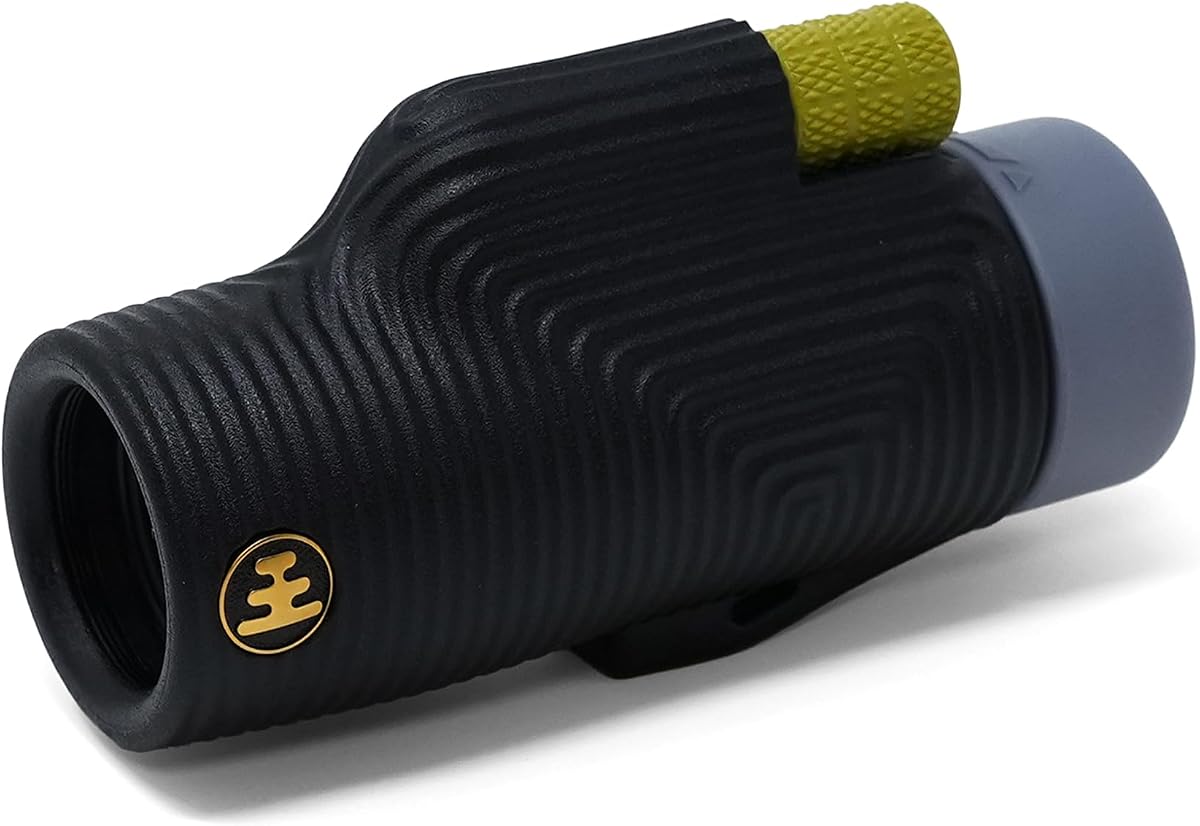
Nocs Provisions Zoom Tube 8×32 Monocular
4.6Editor score
Fully Multi Coated Optics
Swiss Designed Bak4p Prism
Water Resistant IPX4 Rating
This guide compares the top ten birding monocular options available in October 2026 to help you find the perfect optical tool for your outdoor adventures.
Birding monoculars offer a compact alternative to binoculars for bird watchers who value portability. They provide magnified views essential for identifying distant species in various habitats.
We evaluated ten models based on optical clarity, build quality, and user feedback. Our analysis covers a range of options from budget-friendly picks to premium instruments designed for serious enthusiasts.
Each review highlights key features and performance aspects relevant to birding needs. Please note that prices and availability change frequently, so check current listings before making a purchase decision.
4.6Editor score
4.6Editor score

4.6Editor score
The following table presents a side by side overview of all ten models included in this guide. Compare key specifications and features to find the right match for your needs.

The Nocs Provisions Zoom Tube 8×32 stands out as a top choice for birders seeking portability and clarity. Its rating reflects strong user satisfaction with optical performance and build quality in the field.
We may earn a commission when you buy through this link, at no additional cost to you.
Key strengths include its fully multi coated optics which deliver crisp images with excellent color clarity. The Swiss designed Bak4p prism ensures a bright field of view ideal for spotting birds in varying light.
While it is a premium option, the trade off in cost is offset by the durable construction and versatile features. The water resistant rating means you can use it without worry during light rain or fog.
This model is perfect for hikers and backpackers who need reliable optics without heavy gear. We recommend it for anyone wanting a high quality monocular that performs well across multiple outdoor activities.
The unique lens coating formula reduces reflections to maximize light transmission for better visibility.
Designed to work with smartphones for photography, allowing you to capture sightings easily.
We may earn a commission when you buy through this link, at no additional cost to you.
This version of the Nocs Provisions Zoom Tube offers similar performance at a more accessible price point. It maintains high standards for clarity and durability while being easier on the wallet.
We may earn a commission when you buy through this link, at no additional cost to you.
The ergonomic Rugged Wave Grip ensures a secure hold even when wet, making it safe for use in the field. The twist up eyecup adjusts easily for both naked eye and eyeglass viewing.
Budget buyers will appreciate that it does not compromise on essential optics or build quality. While it is a simplified version, it still provides the ruggedness needed for camping and hiking.
We suggest this option for casual birders or those looking for a second device to keep in the car. It balances cost and functionality effectively for everyday outdoor exploration.
The patented grip design prevents slipping and reduces hand fatigue during long viewing sessions.
Its ultra portable design allows you to slip it into a pocket or small bag effortlessly.
We may earn a commission when you buy through this link, at no additional cost to you.
Our editor chose this model for its balance of performance and ethical manufacturing practices. The brand supports environmental causes which resonates with nature lovers and birdwatchers.
We may earn a commission when you buy through this link, at no additional cost to you.
The IPX4 rating ensures you can trust it in rain or snow without worrying about internal damage. It performs reliably in various weather conditions which is crucial for outdoor enthusiasts.
While it focuses on portability, the optical quality remains consistent with higher priced binoculars. You get a wide field of view which helps in tracking fast moving birds across the sky.
This choice is ideal for travelers who want a single device for multiple adventures. We recommend it for those who value sustainability alongside high quality optics for birding.
The company donates a portion of sales to help preserve natural habitats and protect wildlife.
Engineered to withstand harsh environments ensuring you can count on it in any adventure.
We may earn a commission when you buy through this link, at no additional cost to you.
This generic model serves as an entry level option for those just starting with birding. It offers basic magnification that can help identify larger birds in open areas.
We may earn a commission when you buy through this link, at no additional cost to you.
While it lacks advanced coatings, it still functions well for casual use in bright daylight. The simple design makes it easy to operate without needing technical knowledge.
Users may notice some distortion at the edges of the field of view. However for short viewing sessions it provides adequate performance for the price.
We suggest this for kids or beginners who want to try birding before investing in premium gear. It is a functional tool for initial exploration of nature.
Provides a low cost way to start observing birds and wildlife with some magnification.
We may earn a commission when you buy through this link, at no additional cost to you.
Designed with portability in mind this model is great for travel or quick outings. It balances size and function for those who need something unobtrusive.
We may earn a commission when you buy through this link, at no additional cost to you.
The focus mechanism is straightforward allowing you to adjust quickly when a bird appears. It is a practical choice for keeping in a backpack or jacket pocket.
Optics are functional but may struggle in low light or dense forest settings. The housing is durable enough for light use but not intended for heavy impacts.
This is a suitable pick for hikers who want a spare viewing tool without bulk. It serves well for general observation without demanding high precision.
Small enough to carry everywhere ensuring you never miss a sighting on the trail.
We may earn a commission when you buy through this link, at no additional cost to you.
This model aims to provide a middle ground between cost and performance. It is equipped with rubber coating to improve grip during use.
We may earn a commission when you buy through this link, at no additional cost to you.
The central focus system is intuitive and allows for rapid adjustments while watching birds. It is a decent tool for daytime viewing in clear conditions.
Low light performance is limited due to basic lens coating. Users should expect to use it mainly when the sun is out.
We recommend this for casual watchers who do not need professional grade clarity. It is a reliable backup device for general nature observation.
Rubber coating prevents slipping even if hands are wet or sweaty during outdoor use.
We may earn a commission when you buy through this link, at no additional cost to you.
If space is a priority this model offers a very compact profile. It is designed to disappear in a pocket or small pouch easily.
We may earn a commission when you buy through this link, at no additional cost to you.
The optics are standard but sufficient for identifying birds at moderate distances. Focus is simple and requires minimal dexterity to operate.
The field of view is narrower than premium options which might make tracking fast birds harder. But for static observation it works fine.
We suggest this for users with limited pack space or those needing a lightweight spare. It is a practical choice for minimalists.
Minimal footprint allows you to carry it without adding noticeable weight to your gear.
We may earn a commission when you buy through this link, at no additional cost to you.
This option provides a good balance of price and function for budget minded birders. It allows you to access magnified viewing without a heavy investment.
We may earn a commission when you buy through this link, at no additional cost to you.
The optics are clear enough for general identification tasks during the day. It is a straightforward tool that works well for occasional use.
Avoid using it in rain or dusty conditions as it lacks weather protection. The housing is plastic based and may wear over time with heavy use.
We recommend this for hobbyists who want a functional device without breaking the bank. It serves as a reliable starter monocular for beginners.
Delivers essential features for birding at a price that is easy to justify.
We may earn a commission when you buy through this link, at no additional cost to you.
Built for daily use this monocular handles typical backyard or park birding needs. It is not designed for extreme conditions but offers steady performance for routine tasks.
We may earn a commission when you buy through this link, at no additional cost to you.
The lens provides adequate brightness for most viewing scenarios. You can focus quickly enough to catch movement in the branches.
Optical clarity drops off at the edges which is common for this price class. It remains a solid choice for casual observers.
We suggest this for those who need a dependable tool for short bursts of observation. It is practical for regular birdwatching sessions.
Perfect for checking your garden or nearby park for bird activity throughout the day.
We may earn a commission when you buy through this link, at no additional cost to you.
This final entry is a basic tool designed for simplicity and affordability. It does not promise high end features but gets the job done for clear day viewing.
We may earn a commission when you buy through this link, at no additional cost to you.
The focus is manual and smooth allowing you to adjust as needed. It is a lightweight option that reduces fatigue when held for minutes.
Performance is adequate for bright sunny days but may fade in shade. It is best used for short durations to maintain image quality.
We recommend this for beginners or secondary use cases where cost is a major factor. It provides a functional experience for new bird watchers.
Focuses on core functionality without complex settings for easy and immediate use.
We may earn a commission when you buy through this link, at no additional cost to you.
Selecting the right birding monocular requires understanding several key factors. This guide walks you through the essential elements to consider before buying.
Magnification determines how close the bird appears. Common monoculars offer 8x to 10x power. Higher magnification can make the image shaky without a tripod.
Choose 8x for stability and a wider field of view which is often better for tracking birds.
The objective lens diameter affects light gathering. Larger lenses like 32mm provide brighter images in low light conditions.
For dawn or dusk birding look for at least a 32mm lens to ensure clear visibility.
Coatings on lenses reduce glare and improve image clarity. Fully multi coated optics are preferred for the best performance.
Prioritize monoculars with high quality coatings to see true colors and details of the birds.
Monoculars are chosen for their light weight. Check the total weight to ensure you can carry it comfortably.
Aim for models under 10 ounces if you plan to hike or travel extensively.
Weather protection is vital for outdoor use. Look for an IPX4 rating or higher to handle rain and fog.
Water resistant designs protect internal optics and ensure durability in various weather conditions.
Prisms affect image brightness and clarity. Bak4 prisms are superior to BK7 for a brighter view.
Select a monocular with Bak4 prisms to enjoy a clearer and more detailed image.
Comfortable grips reduce hand fatigue. A textured or ergonomic design helps you hold the monocular steady.
Look for rubberized coatings and a shape that fits well in your hand for longer use.
A solid warranty indicates manufacturer confidence. Lifetime warranties offer peace of mind for long term use.
Choose brands that offer strong support to protect your investment over time.
Start by adjusting the focus knob until the image is sharp. Keep the monocular steady with both hands to prevent blurring.
Store the monocular in a protective case when not in use. This prevents dust and scratches on the lenses and housing.
Clean lenses gently with a microfiber cloth to avoid damage. Avoid using rough materials that could scratch the optical coating.
Monoculars are more portable and lighter which suits hikers. Binoculars offer better depth perception and comfort for long sessions. Your choice depends on your priorities.
Eight times magnification is often recommended. It provides a stable image with a wide field of view. Higher powers can be harder to keep steady without support.
Yes if it has a larger objective lens and good coatings. A 32mm lens or more helps in dimmer conditions. Fully multi coated optics improve brightness significantly.
Many are water resistant but not fully waterproof. Check for IPX4 ratings for protection against rain. Some models are fog proof and ideal for wet environments.
Look for a monocular with a tripod adapter thread. Many modern units have a 1/4 inch 20 thread built in. This allows stable viewing without shaking hands.
Use a soft microfiber cloth to wipe away dust. Do not use harsh chemicals or paper towels that scratch. Store it in a case to keep the lenses clean.
We reviewed ten monoculars ranging from premium options to budget friendly choices. The Nocs Provisions Zoom Tube models stood out for their optics and build.
Prioritize optical clarity and weight when selecting your device. A comfortable grip and weather resistance also matter for field use.
Prices and availability change so check current listings before buying. We hope this guide helps you find the perfect tool for your birding adventures.