
Dissolved Oxygen Meter with ATC
4.3Editor score
Extended measurement range up to 40 mg/L
Automatic temperature compensation included
Includes calibration powder and protective covers
This guide compares the top ten dissolved oxygen sensors for water quality monitoring, helping you choose the right tool for aquaculture, labs, and environmenta
Dissolved oxygen sensors are critical tools for monitoring water quality in aquaculture, environmental studies, and industrial processes. Choosing the right sensor ensures accurate readings and reliable data for maintaining healthy aquatic ecosystems and optimizing production efficiency in various settings.
We evaluated ten leading dissolved oxygen sensors based on accuracy, durability, ease of use, and value. Our comparison covers galvanic, optical, and polarographic technologies to help you find a device that meets your specific monitoring needs and budget constraints effectively.
Each pick highlights key features, strengths, and potential limitations to guide your decision. Prices and availability can change frequently, so verify the latest details on the product pages before making your final purchase decision for your water quality monitoring project.
4.3Editor score
4.4Editor score

4.8Editor score
The following table provides a side-by-side overview of the top ten dissolved oxygen sensors available this month, highlighting key specifications and unique features to help you compare models at a glance.



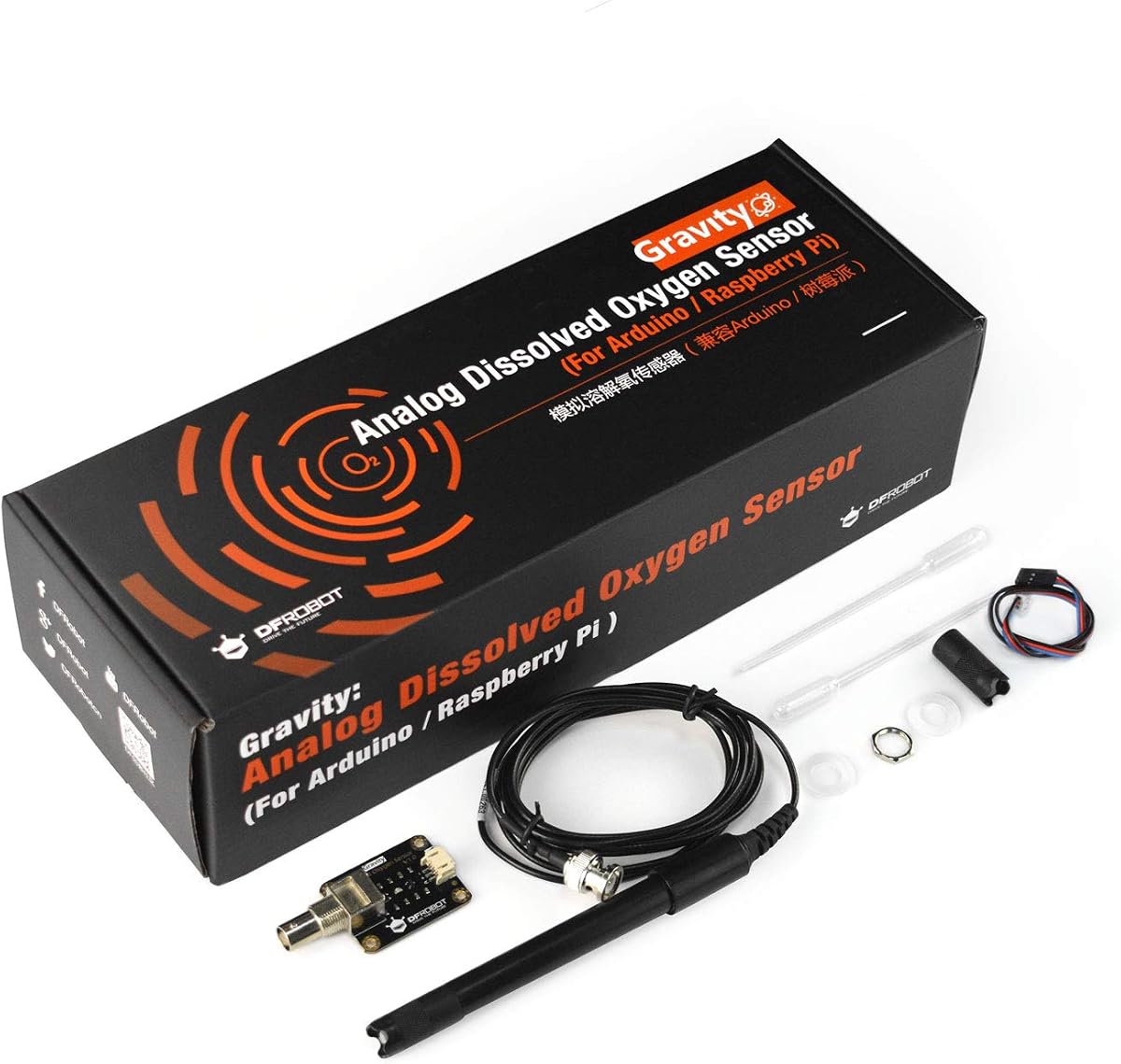
The Gravity Analog Dissolved Oxygen Sensor Kit stands out as a versatile option for hobbyists and professionals building custom water quality monitoring systems. With a rating of 4.4 stars, it offers a galvanic probe that eliminates the need for polarization, ensuring instant readings whenever you need them.
We may earn a commission when you buy through this link, at no additional cost to you.
This kit is designed for easy integration with microcontrollers like Arduino, ESP32, and Raspberry Pi. The signal converter board features integrated hardware filtering, which outputs smooth analog voltage without requiring complex software processing. This makes it ideal for low-power IoT projects where stability and simplicity are paramount.
While the kit includes a spare membrane cap to extend usability, users should note that the required NaOH filling solution is not included due to shipping restrictions. This is a minor inconvenience since the solution is easy to prepare locally, but it is a step to account for before starting your project.
Anyone looking to build a custom aquaculture monitor or lab research setup will find this kit invaluable. Its combination of low maintenance requirements, detailed tutorials, and open-source support makes it a top choice for those who value flexibility and cost-effectiveness in their water monitoring solutions.
The galvanic probe allows for immediate measurement without pre-heating, making it perfect for solar-powered or battery-operated systems where power conservation is critical.
Integrated circuit filtering ensures low-jitter analog output, reducing the need for software noise reduction and improving overall data reliability in varying environmental conditions.
We may earn a commission when you buy through this link, at no additional cost to you.
This Dissolved Oxygen Meter with ATC offers exceptional value for users needing a wider measurement range than standard models provide. With a rating of 4.3 stars, it covers 0 to 40 mg/L, making it versatile for everything from aquariums to industrial water analysis.
We may earn a commission when you buy through this link, at no additional cost to you.
The device features automatic temperature compensation to ensure precise results across a range of 0 to 50 degrees Celsius. Users can measure and calibrate effortlessly without removing the protective cover, simply by immersing the electrode. The package includes electrode filling fluid and anaerobic water calibration powder for immediate use.
While the lack of a backlight might limit use in very dark environments, the clear LCD screen ensures readability in most conditions. The auto power-off function helps extend battery life, and the low battery indicator prevents unexpected shutdowns during critical measurements.
This meter is ideal for hobbyists and small business owners who need reliable water quality testing without a high price tag. Its extended range and complete kit make it a practical choice for aquaculture, swimming pools, and research applications.
Surpassing the standard 0 to 20 mg/L limit, this meter supports a wide variety of applications where higher oxygen levels or specific industrial requirements exist.
The inclusion of calibration powder and filling fluid ensures you can start testing immediately without needing to purchase additional supplies separately.
We may earn a commission when you buy through this link, at no additional cost to you.
The Apera Instruments AI480 DO850 Optical Dissolved Oxygen Meter Kit represents the pinnacle of modern sensor technology. With a high rating of 4.8 stars, it uses an optical DO sensor that provides reliable measurements with minimal maintenance compared to traditional galvanic or polarographic probes.
We may earn a commission when you buy through this link, at no additional cost to you.
This kit includes a 10-foot optical probe, a calibration cap, and a rugged carrying case. The IP67 waterproof and dust-proof structure makes it suitable for harsh environments where durability is essential. Calibration is simplified to automated steps for saturated air and zero-oxygen, reducing user error.
While the initial investment is higher than basic models, the lack of solution refills and frequent membrane changes saves time and money in the long run. Users appreciate the hassle-free testing experience and the reliability of optical sensing in diverse water conditions.
This meter is best suited for professionals and researchers who require high accuracy and durability. Its robust design and advanced features make it a premium choice for environmental monitoring, industrial applications, and high-stakes aquaculture operations.
Optical sensors measure oxygen levels using fluorescence quenching, eliminating the need for oxygen consumption during measurement and providing stable readings over time.
The IP67 rating ensures the device can withstand immersion and dust exposure, making it reliable for fieldwork in challenging outdoor conditions.
We may earn a commission when you buy through this link, at no additional cost to you.
The YSI-605202 Pro Series Galvanic Dissolved Oxygen Sensor is designed as a high-quality replacement option for existing YSI measurement systems. With a rating of 4.8 stars, it ensures that users can maintain their water quality monitoring infrastructure without significant downtime or technical complexity.
We may earn a commission when you buy through this link, at no additional cost to you.
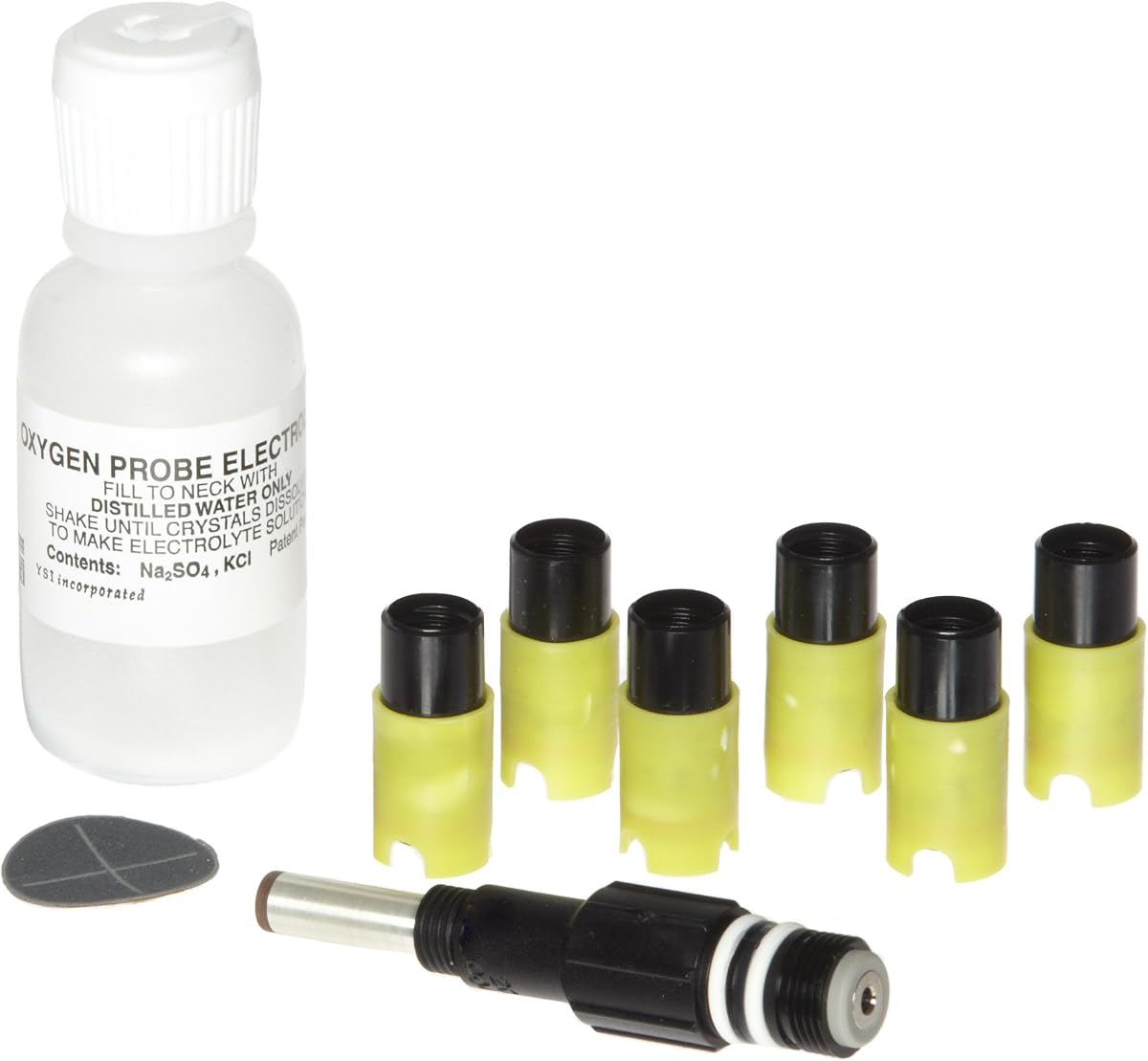
This sensor allows for easy user-replaceable components, meaning you can swap out the sensor quickly if needed without specialized tools. The convenient screw-on cap membranes make changes simple, and the package includes six membrane caps and a bottle of solution to keep you operational for longer.
While this is a replacement part rather than a standalone meter, its ease of use and compatibility with Pro Series instruments make it essential for fleet maintenance. Ensuring your equipment is updated with fresh sensors is critical for maintaining data accuracy and system reliability.
Facility managers and aquarium owners relying on YSI systems will find this sensor indispensable. Its design prioritizes speed and simplicity, reducing the burden of maintenance on technical staff and ensuring continuous monitoring capabilities.
The design allows for quick swaps without any tools, minimizing downtime during critical monitoring periods or maintenance schedules.
Inclusion of multiple membrane caps and solution ensures you have everything needed for several replacements without immediate further purchases.
We may earn a commission when you buy through this link, at no additional cost to you.
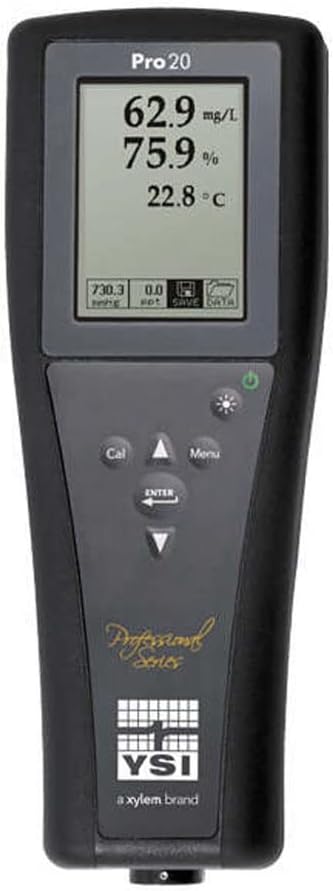
The YSI 6050020 Pro20 Handheld Dissolved Oxygen Meter is a robust solution for field professionals who need to record data efficiently. With a rating of 4.4 stars, it combines durability with advanced data management features like storing 50 data sets directly on the device.
We may earn a commission when you buy through this link, at no additional cost to you.
Calibration is streamlined with the One Touch Cal feature, allowing for easy DO calibrations within 3 seconds. The meter also features automatic barometric pressure compensation and a graphic backlit display that glows in the dark, ensuring readability in any lighting condition.
Note that this listing is for the meter only, so you must have a compatible probe to use it. This is ideal for users who already own YSI sensors but need a more advanced readout unit. The glow-in-the-dark keypad ensures operation during night checks or in low-light environments.
Researchers and water quality professionals will appreciate the ease of data retention without needing paper logs. The fast calibration and reliable display make it a trustworthy companion for fieldwork in rivers, lakes, and treatment plants.
One Touch Cal allows for quick setup between measurements, ensuring high efficiency when testing multiple water bodies in a single day.
Storing 50 data sets internally eliminates the need for manual transcription and reduces the risk of human error during data collection.
We may earn a commission when you buy through this link, at no additional cost to you.
The YSI 6900 ProDSS ODO Optical Dissolved Oxygen Sensor is designed specifically for integration with the YSI ProDSS system. While the rating is not listed in the provided data, its reputation as a professional tool ensures high reliability. It leverages optical technology for precise oxygen measurement.
We may earn a commission when you buy through this link, at no additional cost to you.
This sensor is ideal for users who need a robust solution for multi-parameter monitoring. The optical DO sensor reduces maintenance needs compared to traditional probes and provides accurate data in varied environmental conditions. It integrates seamlessly into the ProDSS ecosystem for enhanced functionality.
Because it is sold as an individual sensor unit, you must already have a compatible ProDSS meter to use it. This flexibility allows you to configure your monitoring setup exactly to your needs, whether for fixed stations or portable field deployments.
Environmental agencies and researchers seeking consistent, high-quality data will benefit from this module. Its compatibility with broader ProDSS instruments makes it a strategic choice for those invested in the YSI ecosystem and advanced water quality tracking.
Optical DO sensors eliminate electrolyte consumption, offering stable readings without the need for frequent membrane changes or solution refills.
This sensor is built to work specifically with ProDSS meters, allowing for comprehensive multi-parameter data collection in one device.
We may earn a commission when you buy through this link, at no additional cost to you.
This Dissolved Oxygen Meter with 11.48 ft Cable is designed for applications requiring deep or wide water sampling. With a rating of 4.0 stars, it balances affordability with functionality, offering a long cable for reaching difficult areas without exposing the meter to water.
We may earn a commission when you buy through this link, at no additional cost to you.
The meter measures dissolved oxygen, temperature, salinity, and barometric pressure with high resolution. It includes a 99-data memory and an IRDA port for transferring readings to a computer. The automatic temperature compensation ensures accurate results across varying environmental conditions.
While the Clark-type electrode requires some maintenance to maintain a 12-month life, it remains a cost-effective choice for regular monitoring. The large LCD display ensures readability, and the low battery indicator helps prevent interruptions during critical testing sessions.
Users needing extended reach for tank or pond checks will find this model particularly useful. Its multi-parameter capabilities and data storage features make it a solid option for educational settings and small-scale aquaculture.
The 11.48-foot cable allows you to measure deep water or hard-to-reach locations while keeping the meter safe and dry.
Beyond oxygen, this meter tracks salinity and pressure, providing a comprehensive view of water quality with a single device.
We may earn a commission when you buy through this link, at no additional cost to you.
The Dissolved Oxygen Meter for Pond is tailored for owners of aquariums, fish tanks, and small ponds. With a rating of 3.6 stars, it offers basic but necessary tools for monitoring aquatic life health. It ensures oxygen levels remain at least 6 mg/L for aerobic lifeforms.
We may earn a commission when you buy through this link, at no additional cost to you.
This test kit includes a 3.6-foot cable, zero-oxygen water calibration solution, electrolyte solution, and six membranes. The 2-point calibration ensures high accuracy, and the backlit display allows readings even in dimly lit environments like basement aquariums or shaded ponds.
While the rating is lower than other models, the kit includes all necessary consumables to start testing immediately. The auto shutoff feature extends battery life, making it a practical choice for casual hobbyists monitoring water quality occasionally.
Pond owners and hobbyists will find this meter a straightforward way to protect their aquatic investments. It supports hydroponics as well, helping ensure plant roots receive adequate oxygen for healthy growth in deep water systems.
Included solutions and membranes allow you to maintain and calibrate the device without needing to shop for extra supplies immediately.
Specifically tuned for fish pond and aquarium use, it helps maintain the 6 mg/L baseline needed for healthy fish populations.
We may earn a commission when you buy through this link, at no additional cost to you.
The Milwaukee MW600 LED Economy Portable Dissolved Oxygen Meter is designed for educational and basic environmental analysis. With a rating of 4.2 stars, it offers reliable performance for classrooms and fieldwork where budget and durability are key factors.
We may earn a commission when you buy through this link, at no additional cost to you.
This portable meter features automatic temperature compensation and a 3-meter polarographic probe. The LCD screen is easy to read, and the two-point manual calibration ensures accurate results for general testing. Its design is compact and lightweight, making it easy to carry to different testing sites.
Users should note the screw-on cap membrane is replaceable, which is standard for polarographic probes. This unit is ideal for labs or educational settings where frequent calibration is part of the curriculum. It provides a solid entry point into professional water quality monitoring.
Educators and entry-level environmental technicians will appreciate its straightforward functionality. The balance of performance and affordability makes it a suitable choice for learning oxygen measurement without investing in high-end instruments.
Its lightweight and portable form factor allows for easy transport to field sites, classrooms, or remote monitoring locations.
Simple manual calibration processes teach fundamental water quality skills, making it perfect for academic settings.
We may earn a commission when you buy through this link, at no additional cost to you.
The YSI-605203 Pro Series Polarographic Dissolved Oxygen Sensor is another replacement option within the YSI ecosystem. With a rating of 4.6 stars, it offers the reliability expected from Pro Series products. It is classified as a lab supply, ensuring it meets rigorous testing standards.
We may earn a commission when you buy through this link, at no additional cost to you.
This sensor utilizes polarographic technology for consistent oxygen readings. Its compact dimensions make it easy to handle and replace. It is compatible with various YSI systems, allowing for flexible upgrades without replacing the entire measuring instrument. Users benefit from long-term stability.
As a replacement part, this sensor ensures your existing equipment maintains peak performance. The durable construction ensures it can withstand regular use in laboratory or field conditions. It is an essential component for those already invested in the YSI brand.
Laboratories and research facilities relying on YSI infrastructure will find this sensor a reliable component for their workflow. It ensures continuous accurate measurement without the downtime of complex equipment changes.
Classified as a lab supply, this sensor adheres to strict quality control standards ensuring consistent and trustworthy measurement data.
The Pro Series design emphasizes durability, ensuring that the sensor remains reliable even under frequent usage conditions.
We may earn a commission when you buy through this link, at no additional cost to you.
Choosing the right dissolved oxygen sensor involves considering technology, range, durability, and compatibility with your existing setup.
Different sensors use galvanic, polarographic, or optical technologies. Optical sensors require the least maintenance as they do not consume oxygen during measurement. Galvanic sensors offer instant readings without polarization, making them ideal for intermittent power systems.
For long-term stability and low maintenance, optical sensors are superior. For budget-conscious DIY projects, galvanic or polarographic sensors offer good value if you are willing to perform regular maintenance.
Standard meters cover 0 to 20 mg/L, but some models extend to 40 mg/L or more. Check your specific application needs to ensure the sensor can handle the expected oxygen levels without saturation.
If you work with industrial wastewater or specific aquaculture conditions, verify that the chosen sensor's range matches your expected environmental parameters.
Some sensors offer one-touch calibration or automatic compensation, while others require manual two-point calibration. Consider how often you can perform calibration based on your workload and environment.
Auto-calibration features save time and reduce user error, which is critical for fieldwork or frequent monitoring schedules.
A long cable allows you to reach deep water or hard-to-access areas safely. Shorter cables may require you to submerge the entire meter, which risks water damage.
Ensure the cable is sufficient for your tank depth or pond surface distance to keep the main unit dry during measurements.
Look for ratings like IP67 if you plan to use the device outdoors or in wet environments. Waterproof and dust-proof structures protect the electronics from harsh conditions.
Investing in a rugged device reduces the risk of damage from accidental spills or exposure to rain and mud in the field.
Advanced models allow you to store data sets and transfer them to a computer. This feature is essential for professional reporting or long-term trend analysis.
If you need to log data regularly without paper, choose a meter with internal memory and a data export option.
Replaceable membranes and filling solutions are necessary for galvanic and polarographic sensors. Optical sensors avoid this but may still require occasional cleaning.
Evaluate the cost and effort of maintaining the sensor over time to ensure it fits your budget and technical resources.
Ensure the sensor is compatible with your existing meter or microcontroller. Some systems use proprietary connectors, while others like Arduino kits use standard interfaces.
Check the connector type and interface standards before purchasing to avoid incompatibility issues with your current equipment.
Begin by preparing the sensor according to the manufacturer's instructions. For galvanic or polarographic probes, fill the membrane cap with the appropriate electrolyte solution before assembly.
Calibrate the sensor using standard solutions like zero-oxygen water and air saturation. Follow the manual steps or use auto-calibration features to ensure accurate baseline readings.
After each use, rinse the probe with distilled water and store it in the provided protective cap. Regular maintenance and storage in proper conditions extend the lifespan of the sensor significantly.
Calibration frequency depends on usage frequency and environmental conditions. For professional use, calibrate before every day of fieldwork. For hobbyists, calibrate once a week or whenever readings seem inconsistent.
Galvanic sensors require electrolyte solutions and membranes, while optical sensors use fluorescence technology. Optical sensors generally require less maintenance but have a higher initial cost.
Many sensors can measure salinity or compensate for it. Check the specifications for saltwater compatibility and ensure the probe materials are resistant to corrosion in marine environments.
Dissolved oxygen levels indicate water quality. Most fish and aquatic organisms need at least 5 to 6 mg/L to survive. Low levels can lead to stress, reduced growth, or death.
Temperature, salinity, atmospheric pressure, and probe condition all affect accuracy. Proper calibration and temperature compensation are critical for reliable results.
Sensors typically last 1 to 2 years depending on maintenance. Optical sensors may last longer due to fewer consumable parts. Regular membrane changes and calibration help maintain performance.
We have reviewed ten top-rated dissolved oxygen sensors ranging from budget-friendly Arduino kits to high-end optical meters. Each option offers unique features tailored to different user needs and technical capabilities.
Prioritize the sensor type and range that best fit your specific application. Whether you need long-term stability for labs or budget-friendly options for hobbyists, there is a model in this list that will serve you well.
Prices and availability can fluctuate, so always verify the latest details on the product pages before making your final decision. Investing in a reliable sensor ensures accurate water quality monitoring for years to come.