
Amazon Basics Extension Cord
4.8Editor score
Ten feet long cord
Standard three prong outlet
Indoor use rated
This guide compares the top Extension Cord for Sewing Machine options based on gauge, safety ratings, length, and compatibility to help you choose the right
Finding the right power source for your sewing setup is crucial for consistent performance and safety. A proper extension cord ensures your machine receives stable electricity without overheating or tripping breakers during long sessions.
We compared ten highly rated extension cords focusing on wire gauge, safety certifications, length options, and plug designs. Each product was evaluated for durability, flexibility, and compatibility with common sewing machine power requirements.
Each pick below highlights key specs and real-world benefits to simplify your decision. Note that prices and availability may change over time, so verify current listings before purchasing to ensure you get the best value available today.
4.8Editor score

4.8Editor score

4.8Editor score
The following table provides a side-by-side overview of all ten selected extension cords. Compare their specifications, lengths, and key features to find the perfect match for your sewing station power needs.


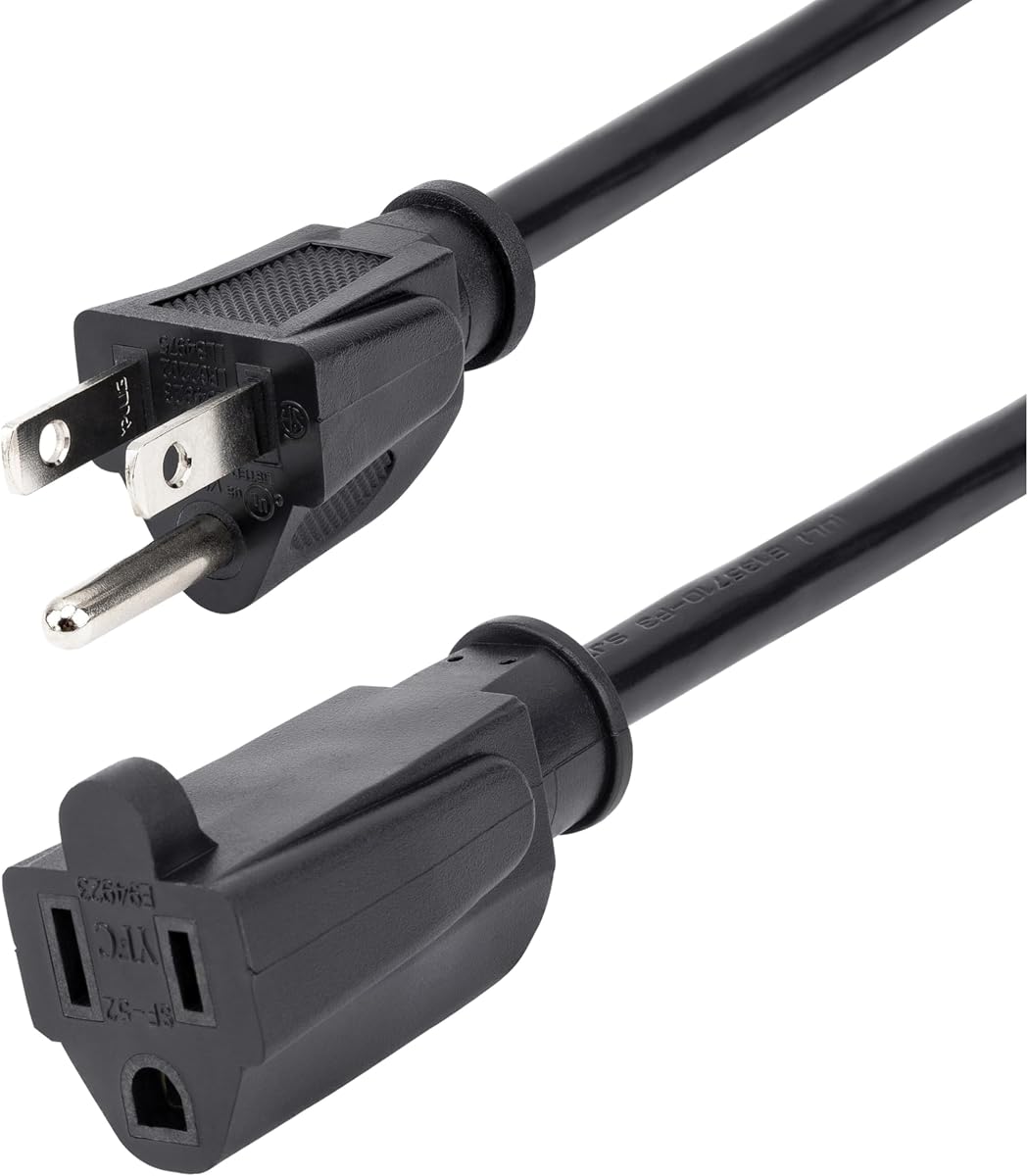


This Amazon Basics extension cord is a reliable choice for basic sewing machine power needs. With a strong user rating, it offers a straightforward solution for extending your outlet reach without breaking the bank.
We may earn a commission when you buy through this link, at no additional cost to you.
It features a ten-foot length which is sufficient for most home sewing setups. The 16 AWG wire is adequate for standard sewing machines that do not draw excessive current, ensuring safe operation during typical projects.
While it lacks heavy-duty gauges, the cord meets essential safety standards for indoor use. The white color might show wear over time, but its functionality remains consistent for occasional or light daily sewing tasks.
Ideal for hobbyists or those needing a simple extension, this cord provides dependable performance. It is a practical choice when budget is a primary concern and heavy industrial loads are not expected.
The ten-foot reach allows you to place your machine further from the wall while staying within safe distance from the power source.
Certified for indoor use, this cord protects against basic electrical hazards making it safe for regular home studio environments.
We may earn a commission when you buy through this link, at no additional cost to you.
This Vockjour cord stands out with its waterproof capabilities, making it versatile for various environments. It is rated for both indoor and outdoor use, providing flexibility if your sewing area is near an entryway or garage.
We may earn a commission when you buy through this link, at no additional cost to you.
Constructed with a polyethylene sheath, it resists abrasion and weather elements. The black color helps it blend into darker floor areas or workbenches, reducing visual clutter in your workspace.
While robust, it is not as heavy as industrial cables, keeping it manageable for storage. The strain relief at the ends prevents bending damage which is common when cords are coiled frequently after use.
Choose this if you need durability beyond standard indoor cords. It is suitable for those who value longevity and want a cord that can handle occasional exposure to less ideal conditions.
The dual indoor outdoor rating means you can move your sewing setup between a garage and a workshop without worrying about cord damage.
The reinforced plug design ensures the connection points remain intact even with frequent plugging and unplugging during projects.
We may earn a commission when you buy through this link, at no additional cost to you.
Designed specifically for major sewing brands, this cord eliminates guesswork regarding fit. It is an excellent replacement for lost or damaged power cables, ensuring your machine runs smoothly without compatibility issues.
We may earn a commission when you buy through this link, at no additional cost to you.
The six-foot length is standard for direct connection to most units. It includes over-current and over-temperature protection which adds an extra layer of safety for your expensive sewing equipment during operation.
Although shorter than general extension cords, its design ensures a secure fit with the machine's inlet. This prevents loose connections that can cause flickering or power interruptions mid-stitch.
Highly recommended for owners of Brother, Singer, or Bernina machines needing a direct cable. It prioritizes fit and safety over length making it the top choice for dedicated sewing power needs.
The standard American jack connects securely to compatible machines reducing the risk of accidental disconnection during sewing.
Built-in protection mechanisms help prevent electrical hazards ensuring your valuable equipment remains safe during extended usage.
We may earn a commission when you buy through this link, at no additional cost to you.
This cord is built for high load appliances, making it incredibly robust for sewing machines. Its heavy duty vinyl insulation ensures it can handle high wattage without overheating during intense sewing sessions.
We may earn a commission when you buy through this link, at no additional cost to you.
The 14 gauge wire is thicker than standard cords, providing better conductivity and safety. It is UL listed which confirms it meets strict safety requirements for home and office electrical usage.
The angle plug allows the cord to remain flush against the wall, saving space in tight corners. However, the wire is stiffer which might make it harder to coil or store neatly compared to lighter options.
Ideal for industrial or heavy home machines requiring stable power delivery. It is a safe investment if you prioritize electrical safety and durability over flexibility and length.
Supporting up to 15 Amps ensures that even high-speed industrial machines receive consistent power without voltage drops.
The angled design prevents bulky plugs from protruding into tight spaces allowing furniture to sit closer to walls.
We may earn a commission when you buy through this link, at no additional cost to you.
This cord features a flat wire design that is perfect for running under carpets or across floors without tripping. It offers a generous fifteen-foot length, giving you significant flexibility in positioning your sewing machine.
We may earn a commission when you buy through this link, at no additional cost to you.
The rotating plug allows you to orient the cord without blocking other outlets on the wall. This is especially useful in compact studios where space around the power source is limited.
While slim and convenient, the flat wire is not designed for heavy industrial loads. It is best suited for standard sewing machines where ease of use and cable management are priority over heavy current capacity.
Select this for its practicality in cluttered or small rooms. It effectively reduces cable clutter and makes it easy to move your setup without dealing with bulky wires.
The long fifteen foot length allows you to place your machine away from windows or desks easily.
The flat design runs smoothly under furniture keeping your floor space tidy and safe from tripping hazards.
We may earn a commission when you buy through this link, at no additional cost to you.
This Tripp Lite cord is built for professional environments ensuring high reliability. Its heavy duty construction supports up to 15 Amps which is more than sufficient for almost any home sewing machine.
We may earn a commission when you buy through this link, at no additional cost to you.
The lifetime warranty reflects confidence in its durability. It is constructed with 14AWG wire which handles high power safely without the risk of overheating that thinner cords might face.
At six feet, it is not the longest option but provides a solid connection for machines near outlets. The professional grade build means it will last longer than cheaper alternatives in heavy use.
Best for those who want a long-lasting cord without needing extra length. It is a reliable choice for studios where the machine is stationary and robust connections are essential.
Designed for server and office use, this cord ensures continuous power without failure during critical sewing tasks.
The lifetime warranty provides peace of mind knowing that any defects will be covered for the life of the product.
We may earn a commission when you buy through this link, at no additional cost to you.
StarTech builds this cord to professional IT standards ensuring safety and performance. The black cable is neat and hides well on dark floors or workbenches making it ideal for organized sewing spaces.
We may earn a commission when you buy through this link, at no additional cost to you.
It features fully molded strain relief which protects the cord from fraying at the plug. This is crucial for longevity especially if the cord is frequently moved or adjusted during sewing projects.
While 16AWG is standard for electronics, it is less robust than 14AWG. However, for typical sewing machines that do not draw maximum amps, it remains safe and efficient for everyday use.
Choose this if you prefer professional grade equipment for your hobby. It offers a reliable balance of length and durability suitable for most domestic sewing needs.
The molded strain relief prevents damage at connection points ensuring the cord remains safe and functional for years.
The black color blends into most environments maintaining a clean aesthetic in your sewing studio.
We may earn a commission when you buy through this link, at no additional cost to you.
This EP cord features 12 gauge wire which is exceptionally thick and safe for high power tools. While short, its construction ensures that it can handle significant electrical loads without any risk of failure.
We may earn a commission when you buy through this link, at no additional cost to you.
The three-foot length is best for machines placed very close to the outlet. It uses reinforced insulation to prevent moisture or abrasion damage which is vital for keeping your equipment safe.
Because of the thick wire, the cord is stiff and heavy. It does not coil easily which might be a drawback if you need to store it compactly after use but adds to its robustness.
Use this if you prioritize maximum safety and have a short distance to cover. It is a solid option for permanent or semi-permanent setups where flexibility is not required.
The 12 gauge wire ensures minimal resistance and heat buildup protecting your sewing machine during heavy use.
Reinforced insulation protects the cord from damage ensuring it lasts through years of reliable service.
We may earn a commission when you buy through this link, at no additional cost to you.
This short cord combines a heavy duty 14 gauge wire with a flexible design. It is perfect for bridging a small gap between the machine and the nearest outlet without adding unnecessary bulk.
We may earn a commission when you buy through this link, at no additional cost to you.
The flat right-angle plug helps it sit flush against the wall which is ideal for tight spots. This design prevents the plug from blocking adjacent outlets allowing for efficient use of power strips.
While limited to three feet, its strength lies in safety and flexibility. The gray color is neutral and blends well in home or office environments without drawing attention to the cabling.
Best for fixed setups where the machine is always near a wall outlet. It provides a secure and safe connection without the bulk of longer cords.
The right-angle plug allows furniture to be placed closer to the wall without bending the cord.
The flexible vinyl jacket makes it easier to route the cord neatly compared to stiffer heavy duty options.
We may earn a commission when you buy through this link, at no additional cost to you.
This cord features a flat plug that sits very low against the wall making it ideal for tight spaces behind furniture. It provides a six-foot length which is useful for reaching across rooms or around corners.
We may earn a commission when you buy through this link, at no additional cost to you.
The low-profile design ensures the cord does not stick out and cause tripping hazards. It is ETL listed which means it meets safety standards for indoor use with home appliances.
The flat wire helps it stay hidden under rugs or along baseboards. While not for heavy industrial loads, it is perfect for standard sewing machines where safety and neatness are prioritized.
Choose this for a tidy sewing area where cords need to be discreet. It is a practical solution for managing power in smaller or crowded rooms.
The flat design ensures cables stay low and out of sight keeping your workspace professional and clean.
ETL certification ensures that this cord is safe for use with household sewing machines.
We may earn a commission when you buy through this link, at no additional cost to you.
Selecting the right extension cord involves understanding electrical specs and physical design. This guide helps you evaluate key factors to ensure safety and performance for your sewing setup.
Wire gauge refers to the thickness of the conductor. Lower numbers indicate thicker wire capable of handling higher current. For sewing machines, 14 AWG is ideal for heavy duty, while 16 AWG works for standard models.
Always choose a gauge that matches your machine's amp rating to prevent overheating and electrical hazards.
The length determines where you can place your machine relative to the outlet. Longer cords offer flexibility but can introduce voltage drops if the wire is too thin.
Pick the shortest cord that meets your needs to maintain efficiency and reduce tripping risks.
Look for UL or ETL listings which confirm the cord meets safety standards. These certifications ensure the materials are fire-resistant and tested for electrical safety.
Never buy an unlisted cord as it poses a significant fire risk in your studio.
Standard plugs can block adjacent outlets. Flat or angled plugs allow better use of wall sockets and keep furniture close to the wall.
Opt for a low-profile plug if your power source is in a tight spot.
A flexible cord is easier to coil and store. Some heavy duty cables are stiff which can be difficult to manage in a workshop environment.
Balance durability with flexibility based on how often you move your machine.
The outer jacket material should be tough enough to resist abrasion from foot traffic or dragging. PVC or vinyl jackets are common for indoor use.
Choose reinforced strain relief at the plugs to prevent common wear and tear issues.
If you sew in a garage or workshop, ensure the cord is rated for both indoor and outdoor use. These cords have better weather resistance.
Standard indoor cords may fail quickly in damp or dusty environments.
A good warranty indicates manufacturer confidence. Some brands offer lifetime warranties for their extension cords.
Check warranty terms to ensure you are protected against defects.
Always plug the cord into the wall outlet before connecting your sewing machine to prevent sparks. Ensure the plug is fully inserted into the socket for a secure connection.
Avoid running cords under rugs where heat can build up. If you must cross a walkway, use a cord cover to protect it from wear and prevent tripping.
Regularly inspect the cord for cuts or exposed wires. Coil it loosely using a figure-eight method to avoid stress on the conductor when storing it.
Yes, a 16 AWG cord is safe for most standard home sewing machines. However, if you use an industrial machine with high power draw, consider a 14 AWG cord for better safety and performance.
Most modern sewing machines require a grounded 3-prong outlet to function safely. Ensure your extension cord has a 3-prong plug to maintain proper grounding and protect the machine.
Yes, outdoor cords are rated for both indoor and outdoor use. They are durable and water-resistant making them a reliable choice for garage or workshop sewing stations.
ETL stands for Electrotechnical Laboratory. It indicates the cord has been tested by Intertek to meet the same safety standards as UL listed products.
The ideal length is the minimum needed to reach your outlet. Six to ten feet is common. Longer cords are convenient but increase trip hazards and potential voltage drops.
Flat plugs sit flush against the wall. This allows furniture to be pushed closer to the outlet and prevents blocking adjacent sockets on the wall.
We reviewed ten top options ranging from heavy duty industrial cables to specialized machine cords. The best choice depends on your machine type and workshop layout.
Prioritize safety certifications and wire gauge to protect your equipment. A slightly thicker cord ensures stable power and reduces overheating risks during long sessions.
Always check current prices and stock before buying. Prices fluctuate so verify the deal matches your needs before completing your purchase.